By Dr. Aneeta Talwar – Consultant Obstetrician & Gynaecologist, Bangalore
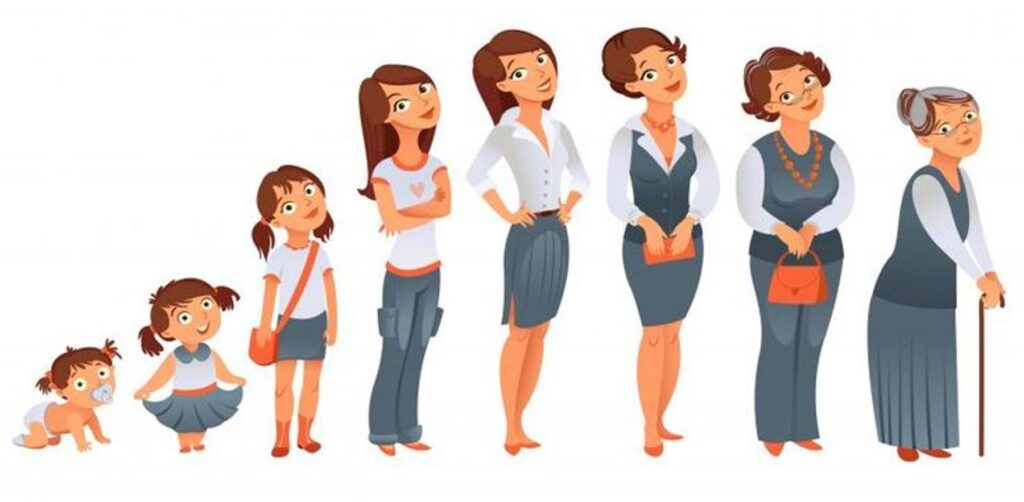
As women progress through different stages of life, their bodies undergo remarkable changes. From hormonal fluctuations and reproductive milestones to age-related health risks, it’s crucial to understand how your health needs evolve with time. At every stage, preventive care and timely screenings can help women live healthier, longer, and more empowered lives.
Here’s a decade-by-decade guide to women’s health check-ups, screenings, and reproductive care, curated by Dr. Aneeta Talwar — your trusted OBGYN in Bangalore.
In Your 20s: Building the Foundation of Health
Your twenties are often filled with growth, independence, and major life changes. This is the perfect time to establish healthy habits and form a strong relationship with your gynaecologist.
Key Screenings and Exams
- Annual Gynaecological Exam
- Pap Smear (start at age 21 and repeat every 3 years)
- HPV Vaccination (if not received earlier)
- Sexually Transmitted Infection (STI) Screening
- Breast Self-Exams (monthly)
Reproductive Health Focus
- Birth control counseling
- Menstrual health tracking
- PCOS screening (if irregular cycles or acne/hair growth issues)
- Preconception counseling for those planning pregnancy
Wellness Tips
- Maintain a healthy weight
- Stay physically active
- Avoid smoking and excess alcohol
- Practice safe sex and regular mental health check-ins
In Your 30s: Reproductive Planning & Hormonal Balance
By your 30s, many women are considering starting or expanding their families. This decade is also when certain hormonal or metabolic conditions may become more prominent.
Key Screenings and Exams
- Pap Smear + HPV Co-Testing (every 5 years if results are normal)
- Thyroid Function Test (especially if planning pregnancy)
- Fertility Evaluation (if trying to conceive for over 6–12 months)
- Breast Clinical Exam
- Vitamin D & Iron Levels
- Blood Sugar and Lipid Profile
Reproductive Health Focus
- Pregnancy care or infertility management
- PCOS, endometriosis, or fibroid treatment
- Cervical cancer screening
- Contraception reassessment based on lifestyle and goals
Wellness Tips
- Start regular strength and cardio exercises
- Stress management through yoga, therapy, or hobbies
- Prioritize sleep and balanced nutrition
- Annual check-up with your gynaecologist
In Your 40s: Transitioning Into Perimenopause
Your 40s often bring hormonal changes associated with perimenopause, the phase before menopause. You may start to notice shifts in your menstrual cycle, mood, and metabolism.
Key Screenings and Exams
- Mammogram (starting at 40 or earlier if high-risk)
- Pap + HPV Co-Testing (if not already done)
- Blood Pressure, Cholesterol, and Diabetes Check
- Bone Mineral Density (if risk factors exist)
- Thyroid and Hormone Levels
- Breast Ultrasound (if dense breast tissue)
Reproductive Health Focus
- Managing perimenopausal symptoms like hot flashes, irregular cycles, mood changes
- Monitoring for uterine fibroids, ovarian cysts, and breast changes
- Fertility counseling (as fertility declines)
Wellness Tips
- Start calcium and vitamin D supplements if needed
- Increase strength training to prevent bone loss
- Eat a heart-healthy diet
- Mental health support during hormonal transition
In Your 50s & Beyond: Embracing Menopause and Beyond
This decade typically marks menopause, defined as 12 months without a period. The focus now shifts to managing long-term health risks and maintaining quality of life.
Key Screenings and Exams
- Mammogram (every 1–2 years)
- Bone Mineral Density Test (DEXA scan)
- Colon Cancer Screening (starting at age 50)
- Cardiac Risk Assessment
- Pelvic Exam (for uterine or ovarian health)
Reproductive Health Focus
- Managing vaginal dryness, urinary incontinence, and libido issues
- Hormone Replacement Therapy (HRT) discussions, if appropriate
- Preventing osteoporosis and cardiovascular disease
- Regular gynaecological exams to screen for cancers
Wellness Tips
- Stay active to maintain muscle mass and bone strength
- Get adequate calcium and protein
- Mental stimulation and emotional well-being
- Fall prevention and balance training
When to See a Gynaecologist Outside of Routine Visits?
Regardless of age, consult Dr. Aneeta Talwar if you experience:
- Irregular, heavy, or painful periods
- Unusual vaginal discharge or odor
- Pelvic pain or pressure
- Difficulty conceiving
- Sudden menopausal symptoms
- Breast lumps or skin changes
Final Thoughts from Dr. Aneeta Talwar
Women’s health is not one-size-fits-all. It evolves with every decade. Whether you’re entering adulthood, planning a family, or navigating menopause, regular check-ups and a proactive approach are key to staying healthy.
At my clinic in Bangalore, I offer compassionate, evidence-based care tailored to every life stage. Together, let’s make your health a lifelong priority.
Schedule Your Consultation Today
website : www.draneetaobgyn.com
contact number: +91 90195 60077