Surgery for Ovarian Cancer
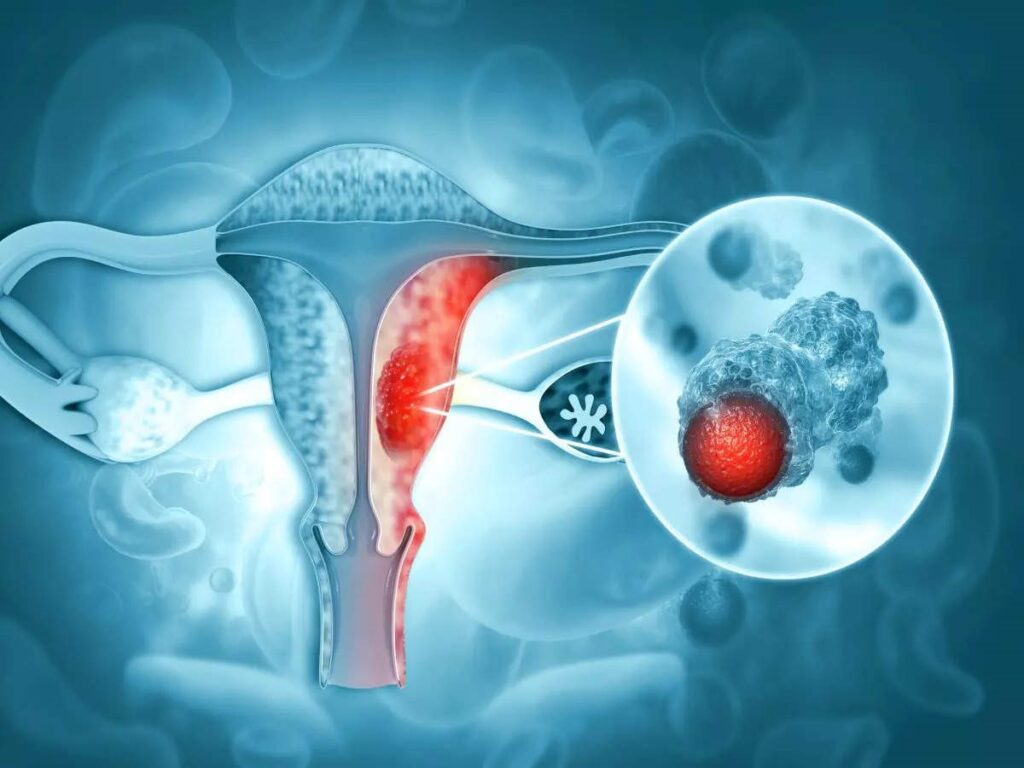
Ovarian cancer is most common in post-menopause women but can affect women and people with ovaries at any age. Common symptoms include persistent bloating, abdominal or pelvic pain, no appetite or feeling full quickly and needing to urinate more frequently. Early diagnosis of ovarian cancer can make the cancer more treatable.
Standard treatment for ovarian cancer involves surgery to stage the disease and remove all visible diseases. This is often alongside additional chemotherapy. Traditionally this surgery has been performed via a laparotomy (where a surgical incision is made into the abdomen). Treatment options include surgery, chemotherapy, and occasionally radiotherapy.
A) Surgery
Most women will require surgery. The type of surgery will depend on the cancer stage and grade and on your wishes. Surgery usually involves removing both ovaries and the fallopian tubes (called a bilateral salpingo-oophorectomy), the womb and cervix (called a total hysterectomy), and the layer of fatty tissue in the abdomen known as the omentum (called an omentectomy). Biopsies and some lymph nodes may also be taken from the abdomen and pelvis. This helps to give an accurate idea of the stage the cancer has reached and to decide whether you need further treatment.
If the cancer has spread to other areas of your pelvis or abdomen, your surgeon will remove as much of the cancer as safely possible. The less cancer left in your body after surgery, the more likely chemotherapy is to work.
If the cancer is at an early stage and you wish to become pregnant, you may only need to have the affected ovary and tube removed (salpingo-oopherectomy ).The benefits and risks of this form of surgery and the possibility of egg or embryo freezing before treatment will be discussed.
Surgery may not always be possible because of where the cancer is or if you are not well enough for an operation. If this is the case, chemotherapy is given before the surgery to shrink the tumor.
Studies have now suggested the feasibility and safety of robotic ovarian cancer surgery in a select group of women. The usage of the robot in minimally invasive staging operations in women with early-stage ovarian cancer is widely accepted. Recent feasibility studies have now also identified that the robot can also be used as a tool in more advanced-stage ovarian cancer operations.
Incorporating robotic surgery has the potential benefits to decrease the length of stay, blood loss, and postoperative pain, and aids in a quicker return to normal activity. Moreover, if women need chemotherapy there is less risk of any delay in starting this.
A robotic approach can potentially also be used in a select group of women with significant co-morbidities who are at a higher anesthetic risk when undergoing open surgery. Prospective multicentre studies are currently underway to establish whether this is also feasible and safe without compromising overall survival in advanced ovarian cancer.
B) Chemotherapy
Chemotherapy treats cancer by using anti-cancer (cytotoxic) drugs to kill cancer cells. Ovarian cancer is usually very sensitive to chemotherapy. It is usually given after surgery. Sometimes it may be given before surgery, usually to help shrink the tumor and to make it easier to remove. This is called neoadjuvant chemotherapy.
C) Radiotherapy
Radiotherapy is a treatment that uses high-energy radiation beams to target rapidly growing cancer cells. Radiotherapy is not often used in the treatment of ovarian cancer but your doctor may recommend it in some circumstances such as for shrinking a secondary tumor and/or for the treatment of pain.
Recovering from ovarian cancer surgery
Talk with Dr. Aneeta Talwar, Bangalore’s Best ovarian Cancer Treatment in Bangalore, about side effects you might have right after Surgery and later on.
Frequently Asked Questions
1. How is ovarian cancer confirmed before treatment begins?
Doctors may recommend imaging, blood tests, and tissue examination to assess a suspected cancer. These investigations help guide the ovarian cancer diagnosis and treatment plan.
2. Why is the stage of ovarian cancer important?
The stage describes how far the cancer has spread. It helps specialists choose an appropriate ovarian cancer treatment plan based on the disease and the patient’s overall health.
3. Will I need chemotherapy before surgery?
Some patients receive chemotherapy before surgery to reduce the cancer, while others have surgery first. The decision about chemotherapy for ovarian cancer depends on the cancer’s type, stage, and expected response.
4. Can ovarian cancer treatment affect my fertility?
Yes. Some treatments can affect fertility, but options may be available for selected patients. Discuss fertility preservation during cancer treatment with your specialist before treatment begins.
5. Should I undergo genetic testing after an ovarian cancer diagnosis?
Your specialist may recommend genetic testing because certain inherited gene changes can affect treatment choices and family risk. Genetic testing for ovarian cancer may help guide personalised care.
6. What is targeted therapy for ovarian cancer?
Targeted therapy uses medicines that act on specific features of cancer cells. Whether targeted ovarian cancer treatment is suitable depends on test results, cancer type, and previous treatment.
7. Can ovarian cancer treatment be different for each patient?
Yes. Treatment may involve surgery, chemotherapy, targeted medicines, or a combination. An individualised ovarian cancer treatment approach considers the diagnosis, stage, test results, and general health.
8. What happens if ovarian cancer returns after treatment?
The specialist will reassess the cancer and review previous treatments before recommending the next steps. Options for recurrent ovarian cancer treatment depend on where the cancer has returned and how it responds to earlier therapy.
9. How will doctors monitor me after ovarian cancer treatment?
Follow-up may include symptom reviews, examinations, blood tests, or scans when appropriate. Regular ovarian cancer follow-up care helps the team assess recovery and identify concerns that need investigation.
10. Should I get a second opinion before starting ovarian cancer treatment?
A second opinion can help you understand the diagnosis, proposed treatment, and available alternatives. Consulting an experienced ovarian cancer specialist in Whitefield may help you make an informed decision.