Introduction
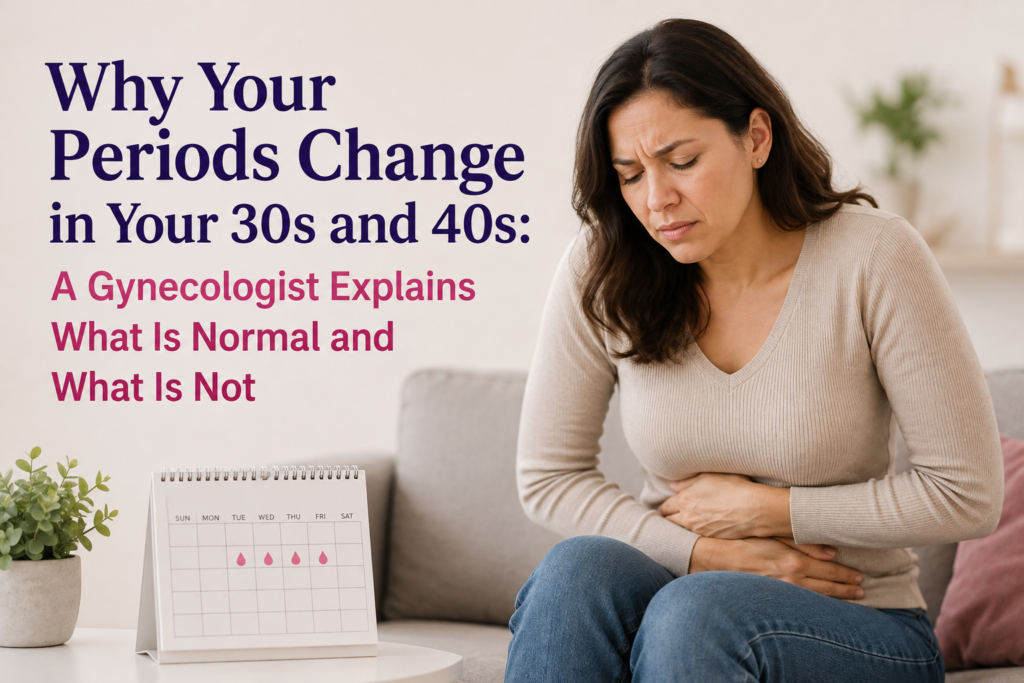
Many women assume that once their menstrual cycle becomes regular during their teenage years, it should remain the same throughout adulthood. However, this isn’t always true. Hormonal fluctuations, lifestyle changes, pregnancy, stress, thyroid disorders, and the natural aging process can all influence your menstrual cycle.
If you’ve recently noticed that your periods have become heavier, lighter, more painful, shorter, longer, or unpredictable, you’re certainly not alone. While some changes are completely normal, others may signal an underlying gynecological condition requiring medical attention.
According to Dr. Aneeta Talwar, an experienced Gynecologist in Whitefield, Bangalore, understanding what is considered normal and recognizing warning signs can help women seek timely treatment and maintain their reproductive health.
This guide explains why menstrual cycles change during your 30s and 40s, when to consult a specialist, and how modern gynecology can help manage abnormal periods effectively.
Understanding the Normal Menstrual Cycle
A healthy menstrual cycle usually lasts between 21 and 35 days, with bleeding lasting approximately 2 to 7 days.
Normal menstrual variations include:
- Slight differences in cycle length
- Mild cramps
- Moderate bleeding
- Temporary changes due to stress
- Minor hormonal fluctuations
However, persistent or significant changes should never be ignored.
Why Do Periods Change After Age 30?
Women’s hormone levels gradually begin to shift after the age of 30.
Several factors contribute to these changes.
1. Hormonal Changes
Estrogen and progesterone levels naturally fluctuate with age.
These hormonal changes may cause:
- Irregular cycles
- Heavy bleeding
- Missed periods
- Increased PMS symptoms
2. Pregnancy and Childbirth
Pregnancy permanently changes hormone regulation.
After childbirth, periods may become:
- Lighter
- Heavier
- Shorter
- More painful
- Less painful
Breastfeeding also delays ovulation, leading to temporary irregular cycles.
3. Stress
Modern lifestyles often involve:
- Long working hours
- Poor sleep
- Emotional stress
- Anxiety
Stress affects the hypothalamus, disrupting hormone production and delaying ovulation.
4. Weight Changes
Sudden weight gain or rapid weight loss affects estrogen production.
Women with obesity or underweight conditions commonly experience irregular menstruation.
5. Thyroid Disorders
The thyroid gland regulates metabolism and influences reproductive hormones.
Symptoms include:
- Missed periods
- Heavy bleeding
- Fatigue
- Weight gain
- Hair fall
Thyroid disease is frequently overlooked as a cause of menstrual irregularities.
Common Period Changes During Your 30s
Many women notice gradual changes such as:
Shorter Cycles
Instead of every 28 days, periods may occur every 24–26 days.
Heavier Bleeding
Hormonal imbalance can cause increased bleeding.
Large blood clots or soaking pads every hour are not considered normal.
Increased Menstrual Pain
Conditions like fibroids or adenomyosis often become more common after age 30.
Spotting Between Periods
Occasional spotting may occur due to hormonal fluctuations.
Frequent spotting requires medical evaluation.
Delayed Ovulation
Stress, thyroid disorders, or PCOS can delay ovulation and make periods unpredictable.
Why Do Periods Change in Your 40s?
Women entering their 40s begin the transition toward menopause, known as perimenopause.
During this phase:
- Ovarian hormone production becomes inconsistent.
- Ovulation becomes irregular.
- Menstrual cycles become unpredictable.
This transition can last several years.
Symptoms of Perimenopause
Women may experience:
- Irregular periods
- Heavy menstrual bleeding
- Missed cycles
- Hot flashes
- Mood swings
- Night sweats
- Sleep disturbances
- Vaginal dryness
- Fatigue
- Brain fog
Although common, severe symptoms should be assessed by a gynecologist.
Medical Conditions That Can Cause Abnormal Periods
Not every menstrual change is related to age.
Several medical conditions may be responsible.
Polycystic Ovary Syndrome (PCOS)
PCOS can develop or persist into adulthood.
Symptoms include:
- Irregular periods
- Acne
- Weight gain
- Excess facial hair
- Difficulty conceiving
Uterine Fibroids
Fibroids are non-cancerous growths inside the uterus.
They commonly cause:
- Heavy bleeding
- Pelvic pressure
- Frequent urination
- Long-lasting periods
Adenomyosis
Adenomyosis occurs when uterine lining tissue grows into the muscular wall of the uterus.
Symptoms include:
- Severe cramps
- Heavy bleeding
- Enlarged uterus
Endometriosis
Women with endometriosis often experience:
- Painful periods
- Chronic pelvic pain
- Pain during intercourse
- Fertility issues
Thyroid Disease
Both hypothyroidism and hyperthyroidism affect menstrual regularity.
Uterine Polyps
Polyps may lead to:
- Irregular bleeding
- Spotting
- Heavy periods
When Should You Consult a Gynecologist?
You should seek medical advice if you experience:
- Bleeding lasting more than seven days
- Severe pelvic pain
- Large blood clots
- Missing periods for more than three months (not due to pregnancy)
- Bleeding after intercourse
- Bleeding between periods
- Very frequent periods (less than 21 days apart)
- Menstrual cycles longer than 35 days
- Sudden changes after years of regular periods
- Bleeding after menopause
Early diagnosis improves treatment outcomes and helps prevent complications.
How Are Abnormal Periods Diagnosed?
A gynecologist may recommend:
Medical History
Your doctor will discuss:
- Menstrual history
- Pregnancy history
- Current medications
- Lifestyle factors
- Family history
Physical Examination
A pelvic examination helps identify possible abnormalities.
Ultrasound Scan
Ultrasound helps detect:
- Fibroids
- Ovarian cysts
- Polyps
- Adenomyosis
Blood Tests
These may include:
- Thyroid profile
- Hormone levels
- Complete blood count
- Iron studies
Pap Smear
A cervical screening test may be advised depending on your age and symptoms.
Endometrial Sampling
For women with persistent abnormal bleeding, an endometrial biopsy may be recommended to rule out serious conditions.
Treatment Options
Treatment depends on the underlying cause.
Possible options include:
Lifestyle Changes
Healthy habits can improve hormone balance.
These include:
- Regular exercise
- Balanced nutrition
- Weight management
- Adequate sleep
- Stress reduction
Hormonal Therapy
Doctors may prescribe:
- Birth control pills
- Progesterone therapy
- Hormonal intrauterine devices (IUDs)
Non-Hormonal Medicines
Pain relievers and medications to reduce heavy bleeding may be recommended.
Minimally Invasive Procedures
Certain conditions may require advanced treatments such as:
- Hysteroscopy
- Laparoscopic surgery
- Endometrial polyp removal
Surgery
For large fibroids, severe adenomyosis, or other significant conditions, surgery may be necessary.
Can Healthy Lifestyle Choices Improve Period Health?
Yes.
Maintaining overall health plays a major role in hormonal balance.
Recommended habits include:
- Eat iron-rich foods
- Stay hydrated
- Exercise regularly
- Maintain a healthy BMI
- Sleep 7–8 hours nightly
- Manage stress through yoga or meditation
- Avoid smoking
- Limit alcohol intake
- Attend annual gynecological check-ups
Why Regular Gynecological Check-ups Matter
Many gynecological disorders begin silently.
Routine visits help detect:
- Fibroids
- Ovarian cysts
- Cervical abnormalities
- Hormonal disorders
- Early menopause
- Endometriosis
Early diagnosis often means simpler treatment and better long-term outcomes.
Why Choose Dr. Aneeta Talwar?
Women experiencing irregular periods, heavy bleeding, pelvic pain, or hormonal concerns benefit from personalized evaluation rather than self-diagnosis.
Dr. Aneeta Talwar, a trusted Gynecologist in Whitefield, Bangalore, offers comprehensive care for women across every stage of life. From menstrual disorders and PCOS to minimally invasive gynecological procedures, she focuses on evidence-based diagnosis, individualized treatment plans, and compassionate patient care. Timely consultation can help identify the underlying cause of menstrual changes and prevent future complications.
Frequently Asked Questions (FAQs)
- Is it normal for periods to become irregular after age 35?
Yes. Hormonal fluctuations become more common with age, but persistent irregularity should still be evaluated by a gynecologist.
- What causes heavy periods in your 40s?
Heavy bleeding may result from perimenopause, fibroids, adenomyosis, polyps, thyroid disorders, or hormonal imbalance.
- When should I worry about irregular periods?
Seek medical attention if irregular periods are accompanied by severe pain, heavy bleeding, prolonged cycles, bleeding after menopause, or bleeding between periods.
- Can stress delay my period?
Yes. Chronic stress can interfere with ovulation by affecting hormone production, leading to delayed or missed periods.
- Do fibroids always require surgery?
No. Treatment depends on the size of the fibroids, symptoms, age, and future pregnancy plans. Many women can be managed with medication or minimally invasive procedures.
- What is perimenopause?
Perimenopause is the transitional phase before menopause during which hormone levels fluctuate, often causing irregular periods and symptoms such as hot flashes and sleep disturbances.
- Can thyroid problems affect menstrual cycles?
Yes. Both underactive and overactive thyroid disorders can lead to changes in menstrual frequency, duration, and flow.
- How often should women have a gynecological check-up?
Most women should have an annual gynecological examination, even if they have no symptoms, to support preventive care and early detection of health issues.