What is an ovarian cystectomy?
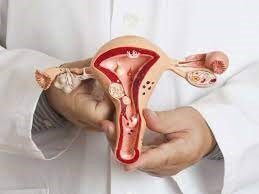
An ovarian cystectomy is a procedure to remove ovarian cysts. An ovarian cyst is a sac or pouch on your ovary that contains fluid. These cysts are relatively common and often go away independently without treatment. Your healthcare provider may recommend an ovarian cystectomy if an ovarian cyst doesn’t go away, gets more extensive, or causes pain.
Types of ovarian cystectomy
There are two ways surgeons remove ovarian cysts:
- Laparoscopic ovarian cystectomy: Your surgeon inserts a tiny camera with a light on the top (laparoscope) through a small incision in your abdomen. This device lets them view your reproductive and pelvic organs. The surgeon makes two other small incisions and places their surgical tools inside. Then, they remove the ovarian cyst through those incisions.
- Open cystectomy (laparotomy): Your surgeon uses one large incision in your abdomen to remove the ovarian cyst. They may choose this method if the ovarian cyst is large or if they suspect it is cancerous.
Surgeons prefer laparoscopic ovarian cystectomy because it’s minimally invasive and easier to recover from than open surgery.
However, if they suspect cancer or the cyst is too large for laparoscopic removal, open surgery may be the only option.
What is the leading cause of an ovarian cyst?
The most common causes of ovarian cysts are:
-
Hormonal disorders like polycystic ovary syndrome (PCOS).
-
Ovulation or using drugs to induce ovulation.
-
Endometriosis.
-
Pelvic inflammatory disease.
-
Cancer.
What does an ovarian cystectomy treat?
-
The size of the cyst.
-
If the cyst is painful.
-
Plans for pregnancy.
-
Your risk of cancer.
-
Medical history.
What are the complications of an ovarian cystectomy?
The main complication of an ovarian cystectomy is that your provider removes harmful or painful cysts from your ovary. Cysts can be cancerous, especially when they develop after menopause. Additional complications include:
- Ovarian Cancer
- Ruptured ovarian cyst breaks open (ruptures) and cause severe pain.
- Ovarian Torsion: The weight of the cyst causes the ovary to twist upon itself, which may cut off blood flow to your ovary. This can lead you to lose your ovary entirely and is very painful.
Dr. Aneeta Talwar, Best Gynaecologist in Bangalore.
She will discuss about the procedure with you and recommend the best treatment based on your condition.
Frequently Asked Questions About Ovarian Cystectomy
Learn about ovarian cyst removal surgery, treatment options, fertility considerations and recovery.
When is ovarian cystectomy surgery recommended?
Doctors may recommend ovarian cyst removal surgery if a cyst is large, persistent, painful or has concerning features on imaging.
Can an ovarian cyst be removed without removing the ovary?
Yes. An ovarian cystectomy removes the cyst while preserving the ovary whenever medically feasible. The approach depends on the cyst's type and condition.
Can ovarian cysts disappear without surgery?
Some ovarian cysts resolve naturally over time. Your doctor may recommend monitoring or ovarian cyst treatment based on the cyst's size, appearance and symptoms.
Will ovarian cystectomy affect my chances of pregnancy?
Fertility may be preserved after ovarian cystectomy surgery, but the outcome depends on ovarian health, the cyst type and the amount of ovarian tissue affected.
Is laparoscopic surgery possible for ovarian cyst removal?
Yes. Laparoscopic ovarian cystectomy may be suitable for many cysts, using small incisions and a camera. The surgical approach depends on the cyst and clinical findings.
How should I prepare for ovarian cystectomy surgery?
Before ovarian cyst surgery, your doctor may recommend scans, blood tests and medication reviews, along with fasting instructions if anaesthesia is planned.
Will the removed ovarian cyst be tested?
The removed cyst or tissue may be sent for histopathological examination to identify its nature and determine whether further treatment is needed.
When can I return to normal activities after ovarian cystectomy?
Recovery after ovarian cyst removal varies with the surgical method and your health. Follow your surgeon's advice about exercise, lifting, work and follow-up visits.
Can an ovarian cyst come back after surgery?
Yes. New cysts can develop even after a successful ovarian cystectomy. Regular follow-up may help monitor ovarian health and identify new concerns.
When should I seek urgent care for an ovarian cyst?
Sudden, severe pelvic pain, especially with vomiting, fever, faintness or heavy bleeding, needs urgent medical assessment because complications may require prompt treatment.