Fertility Enhancing Surgeries
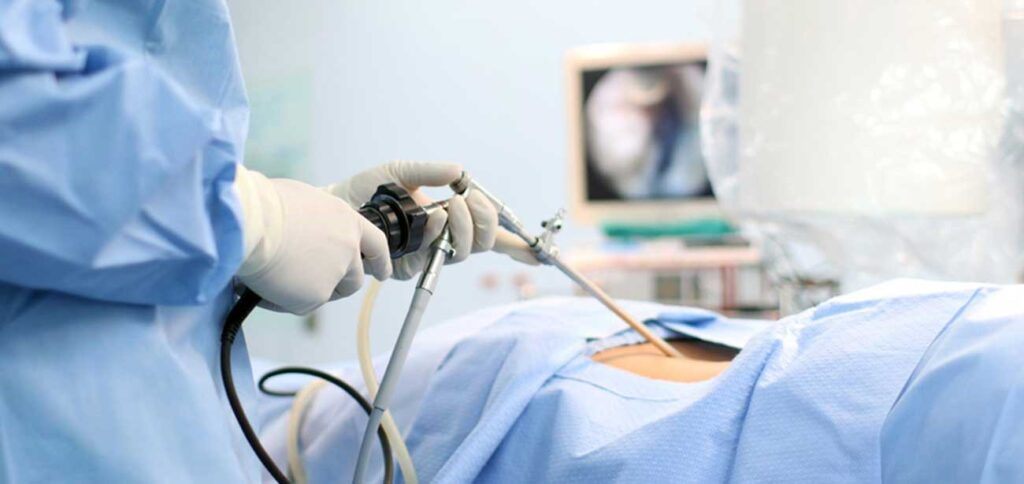
We can treat and correct a lot of infertility related issues with the help of advancements in medical science. Infertility conditions like endometriosis, PCOD, blocked fallopian tubes, fibroids, dermoid, etc., affect the ability of a woman to conceive naturally.
These infertility problems disturb the normal function of the women’s reproductive system and affect the chances of getting pregnant naturally.
What are Fertility Enhancing Surgeries?
Fertility Enhancing surgeries are surgeries that help to enhance or restore fertility in women with infertility conditions like fibroids, endometriosis, dermoid, adhesions, PCOD, etc., affect a woman’s fertility.
With the help of these surgeries and procedures, we can correct such infertility issues in women. Expert gynecology surgeons treat and manage such conditions by choosing the right surgery based on the patient’s issue and overall health.
Types of Fertility Enhancing Surgeries
There are two major types of fertility-enhancing surgeries:
1. Laparoscopy
Laparoscopy is an advanced surgical procedure used to diagnose and correct various conditions. It helps diagnose different infertility conditions and treat some of them.
It is a minimally invasive procedure that uses the insertion of a thin tube through a small incision on the abdomen. This thin tube is called a laparoscope, with a light and a camera at the top.
Soon, the surgeon has a clear view of any abnormal changes inside the body. Sometimes, a tissue sample is also collected to send for a biopsy.
2. Hysteroscopy
A Hysteroscopy is a diagnostic and therapeutic procedure to examine the shape of the uterine lining and cavity. In this procedure, we use a viewing tool with a light and a camera on the top.
It is called a hysteroscope, through which we can see the uterine lining on the video screen. During this procedure, the tip of the hysteroscope is inserted into the vagina and moved to the uterus through the cervix.
Once the hysteroscope reaches the uterus, a surgeon can look for possible abnormal changes in the uterine cavity on the video screen. This way, some infertility conditions such as uterine adhesions, polyps, or growths can be diagnosed and treated with a Hysteroscopy procedure.
Treatments through a Laparoscopy and a Hysteroscopy
Through Laparoscopy and Hysteroscopy, surgeons can diagnose and treat various infertility problems:
-
Ovarian Cysts
-
Adhesions
-
Fibroids
-
PCOS
-
Blocked Fallopian Tubes
Please book an appointment today and discuss your issues with our expert
Dr. Aneeta Talwar, Best Gynaecologist in Bangalore.
Frequently Asked Questions
Which uterine problems can fertility-enhancing surgery correct?
Some uterine septums, polyps, adhesions and fibroids that affect the uterine cavity may be treated surgically. Fertility-enhancing surgery depends on the abnormality found during evaluation.
Can a uterine septum affect pregnancy?
A uterine septum may be associated with certain reproductive problems. In selected cases, hysteroscopic septum resection may be considered after assessing the uterus and pregnancy history.
Can removing uterine polyps improve fertility?
Uterine polyps can sometimes interfere with implantation. Removing suitable polyps through hysteroscopic polypectomy may be recommended depending on their size, location and your fertility assessment.
What are uterine adhesions, and can surgery treat them?
Uterine adhesions are bands of scar tissue inside the uterus that may affect menstruation or fertility. Hysteroscopic adhesiolysis can help separate these bands in suitable cases.
Can fibroids inside the uterine cavity affect embryo implantation?
Yes. Some fibroids that distort the uterine cavity may affect fertility. Fertility-preserving fibroid surgery may be considered depending on their location and size.
Is fertility-enhancing surgery always necessary before IVF?
No. Surgery is recommended only when there is a suitable medical reason. Fertility surgery before IVF depends on the findings and whether treatment is likely to benefit the patient.
Can surgery guarantee pregnancy?
No. Surgery may correct certain problems, but pregnancy also depends on age, egg quality, sperm health and other factors. Fertility-enhancing treatment cannot guarantee conception.
How do doctors decide whether fertility surgery is needed?
Doctors review your menstrual history, previous pregnancies, fertility tests and imaging findings before recommending fertility-enhancing surgery.
Can fertility-enhancing procedures be performed without a large abdominal incision?
Some procedures, such as hysteroscopic treatment, are performed through the vagina and cervix without abdominal incisions. Minimally invasive fertility surgery depends on the condition being treated.
How soon can I plan pregnancy after fertility-enhancing surgery?
The timing depends on the procedure and healing required. Your doctor will advise when to try for pregnancy after fertility-enhancing surgery in Bangalore.