Menopause is a natural and inevitable stage in every woman’s life. Yet, for many, it can feel overwhelming and confusing due to the variety of symptoms and the stigma around discussing it openly. At Dr. Aneeta OBGYN, we believe that menopause should not be seen as an ending but as the beginning of a new, empowered chapter in a woman’s life. With the right care and awareness, women can navigate this transition with strength, clarity, and confidence.
What is Menopause?
Menopause is defined as the stage when a woman has not had a menstrual period for 12 consecutive months. It typically occurs between the ages of 45 and 55, although the exact timing varies for each individual.
It is important to understand that menopause is not a single event but a transition that happens in stages:
- Perimenopause: The transitional years leading up to menopause, when hormonal fluctuations cause irregular cycles and the first appearance of symptoms.
- Menopause: Confirmed when periods stop for 12 months.
- Postmenopause: The years after menopause, when certain symptoms may persist but long-term health concerns, such as bone and heart health, become more significant.
Common Symptoms of Menopause
Every woman’s journey through menopause is unique, but some of the most common symptoms include:
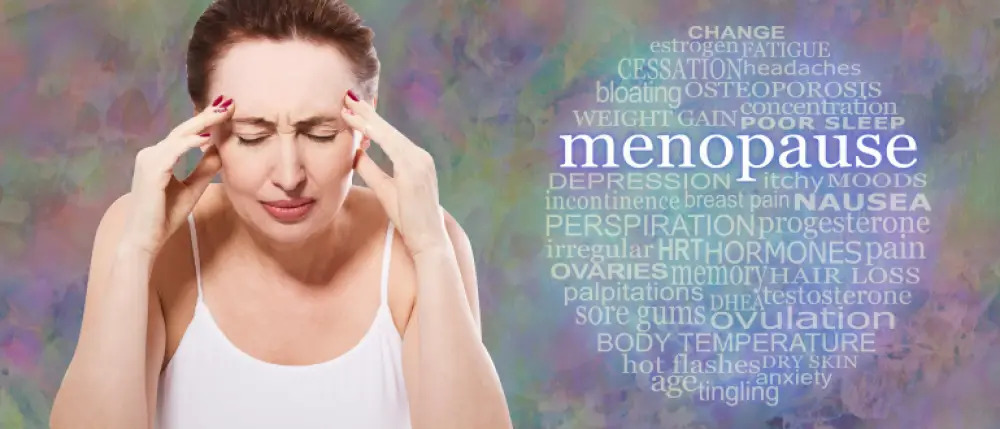
- Physical Changes: Hot flashes, night sweats, weight gain, sleep disturbances, fatigue, and vaginal dryness.
- Emotional Changes: Mood swings, irritability, anxiety, or feelings of low energy.
- Cognitive Changes: Difficulty concentrating, forgetfulness, and what is often described as “brain fog.”
- Sexual Health Concerns: Reduced libido, pain during intercourse, or changes in intimacy.
These symptoms can range from mild to severe and may last for several years. Recognizing them early is the first step to finding relief.
Health Concerns After Menopause
As estrogen levels decline, women become more vulnerable to certain health risks. Some areas to pay close attention to include:
- Bone Health: Increased risk of osteoporosis and fractures.
- Heart Health: Higher chances of high blood pressure, cholesterol problems, and heart disease.
- Weight Management: Slower metabolism leading to easier weight gain, especially around the abdomen.
- Mental Well-Being: Mood disorders, sleep disturbances, and stress-related health issues.
Treatment and Management Options
- Hormone Replacement Therapy (HRT)
For many women, HRT can be an effective option to reduce hot flashes, night sweats, and vaginal dryness. It also helps protect bone health. However, it’s not suitable for everyone, and the risks and benefits should be carefully discussed with your gynecologist.
- Lifestyle Modifications
- Balanced Diet: Include foods rich in calcium, vitamin D, lean proteins, and whole grains to protect bones and heart health.
- Regular Exercise: Weight-bearing exercises like walking, strength training, and yoga help with bone density, mood, and metabolism.
- Sleep Hygiene: Establishing a regular sleep routine and avoiding stimulants like caffeine can improve rest.
- Stress Management: Meditation, breathing exercises, and relaxation techniques reduce emotional strain.
- Non-Hormonal Therapies
For women who cannot or prefer not to take hormones, there are alternatives such as medications for hot flashes, vaginal moisturizers, and natural remedies like phytoestrogen-rich foods.
- Regular Health Check-ups
Routine screening for bone density, blood pressure, cholesterol, and reproductive health ensures that any risks are detected early and managed effectively.
Our Approach at Dr. Aneeta OBGYN
We believe menopausal care should be personalized and holistic. Our approach focuses on:
- Comprehensive Assessment: Understanding your symptoms, lifestyle, and medical history.
- Customized Treatment Plans: Offering both hormonal and non-hormonal options tailored to your needs.
- Preventive Care: Focusing on long-term health—bone strength, heart wellness, and mental health.
- Emotional Support: Providing a safe space to discuss intimate concerns openly and without hesitation.
Final Thoughts
Menopause is not the end of vitality—it is a new stage that can be embraced with the right knowledge, support, and care. With modern treatment options and lifestyle changes, women can continue to feel healthy, active, and confident.
At Dr. Aneeta OBGYN, we are here to walk with you through this journey, ensuring you feel empowered every step of the way.