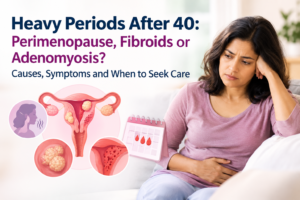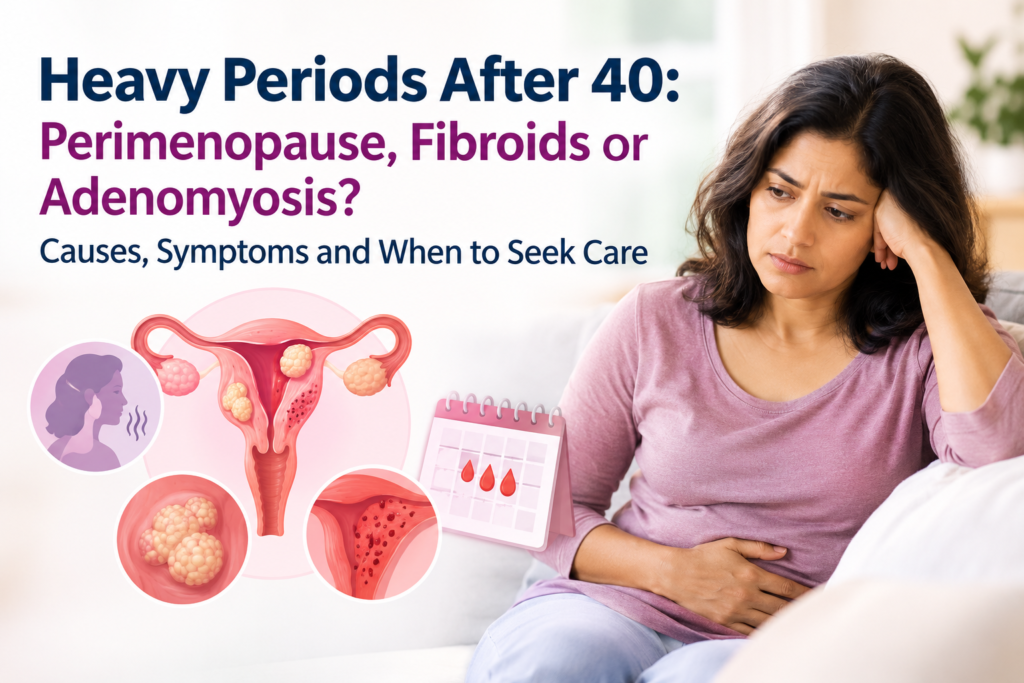
Introduction: Why Can Periods Become Heavier After 40?
Have your periods become heavier, lasted longer or become less predictable as you approach your 40s? Perhaps your menstrual cycle was regular for years, but recently you have noticed heavier bleeding, more painful cramps, spotting between periods or changes in the number of days between cycles.
These changes can occur during perimenopause, the natural transition leading up to menopause. However, heavy menstrual bleeding after 40 should not automatically be attributed to hormonal changes or ageing.
Conditions such as uterine fibroids, adenomyosis, endometrial polyps and certain disorders of the uterine lining can also cause changes in menstrual bleeding. In some cases, thyroid disorders, medications or pregnancy-related conditions may contribute.
Understanding the possible causes can help you recognise changes in your menstrual health and seek appropriate assessment at the right time.
For women looking for information about heavy periods, perimenopause or abnormal uterine bleeding in Bengaluru, this guide explains the differences between common causes, the symptoms to notice and what a gynaecological evaluation may involve.
What Is Considered a Heavy Period?
Menstrual bleeding varies from person to person. Some women naturally have heavier periods, while others experience a noticeable change from their usual pattern.
Heavy menstrual bleeding is generally understood as menstrual blood loss that interferes with everyday activities, affects physical wellbeing or continues for an unusually long time.
You may be experiencing heavy menstrual bleeding if you notice:
- Needing to change a sanitary pad or tampon much more frequently than usual.
- Bleeding that lasts longer than seven days.
- Passing large or frequent blood clots.
- Having to change menstrual products during the night.
- Avoiding work, exercise, travel or social activities because of bleeding.
- Feeling unusually tired, weak or breathless during or after your period.
A significant increase in bleeding compared with your normal menstrual pattern deserves attention, even if your periods have always been somewhat heavy.
Prolonged or heavy bleeding can contribute to iron deficiency and anaemia. Symptoms may include fatigue, dizziness, headaches, paleness and shortness of breath.
1. Perimenopause: A Common Cause of Menstrual Changes After 40
Perimenopause is the transitional phase before menopause. During this period, ovarian hormone levels fluctuate, and ovulation may become less predictable.
These hormonal changes can affect the timing, duration and intensity of menstrual bleeding.
Common symptoms of perimenopause
In addition to changes in menstrual flow, some women experience:
- Periods arriving earlier or later than expected.
- Skipped periods or longer gaps between cycles.
- Hot flashes and night sweats.
- Difficulty sleeping.
- Mood changes or increased irritability.
- Vaginal dryness or discomfort.
- Changes in sexual desire.
- Difficulty concentrating.
Not every woman experiences all these symptoms. Some notice menstrual changes first, while others experience sleep disturbances or hot flashes before their periods become irregular.
Can perimenopause cause very heavy bleeding?
Yes, hormonal fluctuations during perimenopause can contribute to irregular or heavy bleeding. When ovulation does not occur regularly, changes in the uterine lining may lead to unpredictable shedding.
However, perimenopause does not explain every episode of heavy bleeding. Persistent, unusually heavy or newly irregular periods should be evaluated to check for other possible causes.
How long does perimenopause last?
The transition varies considerably. It may last several years, and the timing differs between individuals.
Menopause is generally recognised after 12 consecutive months without a menstrual period, provided there is no other explanation for the absence of periods.
Important: Any vaginal bleeding after menopause requires prompt medical evaluation, even if it is light or occurs only once.
2. Uterine Fibroids: When Growths in the Uterus Affect Periods
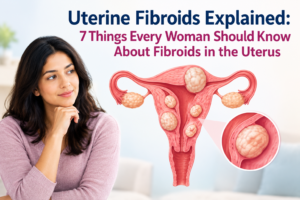
Uterine fibroids are non-cancerous growths that develop in or around the muscular wall of the uterus. They are common during the reproductive years and may cause symptoms depending on their size, number and location.
Some fibroids cause no symptoms and are discovered incidentally during an examination or imaging investigation. Others can affect menstrual bleeding and pelvic comfort.
Symptoms associated with uterine fibroids
Possible symptoms include:
- Heavy or prolonged menstrual bleeding.
- Menstrual cramps or pelvic discomfort.
- A feeling of pressure or fullness in the lower abdomen.
- Frequent urination when a fibroid presses against the bladder.
- Constipation or pressure in the rectal area.
- Abdominal enlargement in some cases.
- Difficulties related to fertility or pregnancy, depending on the fibroid’s location.
Fibroids that distort the uterine cavity may be particularly relevant when heavy bleeding or fertility concerns are present.
How are fibroids identified?
Assessment may include a discussion of menstrual symptoms, a physical examination where appropriate and pelvic imaging, commonly ultrasound.
The findings help establish whether fibroids are present and whether their size or location could explain the symptoms.
Not every fibroid requires treatment. Management depends on factors such as symptom severity, the findings on examination and imaging, age, reproductive plans and the individual’s preferences.
3. Adenomyosis: When the Uterine Lining Grows Into the Muscle Wall
Adenomyosis is a condition in which tissue similar to the lining of the uterus is present within the muscular wall of the uterus.
It can cause the uterus to become enlarged or tender and may contribute to heavy bleeding and painful periods.
Adenomyosis can occur during the reproductive years and may be recognised in women in their 30s and 40s.
Symptoms of adenomyosis
Commonly reported symptoms include:
- Heavy menstrual bleeding.
- Periods that become increasingly painful.
- Pelvic pain or pressure.
- Cramping that interferes with everyday activities.
- Discomfort during sexual intercourse in some cases.
Some women have adenomyosis without noticeable symptoms.
Adenomyosis versus fibroids: What is the difference?
Although both conditions can cause heavy periods and pelvic discomfort, they are different.
Fibroids are distinct growths made up of muscle and connective tissue. Adenomyosis involves tissue similar to the uterine lining within the muscle wall itself.
Symptoms can overlap, and both conditions may occur together. Clinical assessment and imaging help distinguish between them.
4. Other Possible Causes of Heavy Periods After 40
Perimenopause, fibroids and adenomyosis are important possibilities, but they are not the only explanations for abnormal menstrual bleeding.
Other causes include:
Endometrial polyps
These are growths arising from the inner lining of the uterus. They may cause irregular bleeding, spotting between periods or heavier menstrual flow.
Thyroid disorders
Changes in thyroid function can affect menstrual regularity and bleeding patterns. Thyroid testing may be considered when symptoms or medical history suggest a possible thyroid problem.
Pregnancy-related bleeding
Pregnancy can occur during perimenopause. Unexpected bleeding may sometimes be associated with pregnancy-related conditions, including miscarriage or ectopic pregnancy.
If pregnancy is possible, a pregnancy test may be an important part of the evaluation. Severe abdominal pain, fainting or bleeding with significant weakness requires urgent assessment.
Changes in the endometrium
The endometrium is the inner lining of the uterus. Hormonal changes and other conditions can affect this lining and lead to abnormal bleeding.
In some women, particularly when bleeding persists or risk factors are present, assessment may be needed to exclude endometrial hyperplasia or cancer.
Medications and bleeding disorders
Certain medicines, including anticoagulants, can influence bleeding. Bleeding disorders may also contribute to unusually heavy periods.
The possible cause depends on the overall pattern of symptoms, personal history and examination findings.
5. When Should You Seek Medical Attention for Heavy Periods?
It is useful to distinguish between symptoms that need a routine appointment, symptoms requiring prompt assessment and signs of a medical emergency.
Arrange a gynaecological assessment if you notice:
- A persistent change in your usual menstrual pattern.
- Periods lasting longer than seven days.
- Repeated episodes of very heavy bleeding.
- Bleeding between periods or after sexual intercourse.
- Increasingly painful periods.
- Persistent pelvic pressure or discomfort.
- Symptoms that could indicate anaemia, such as ongoing fatigue or dizziness.
- New abnormal bleeding after age 40, particularly if it persists or recurs.
Seek urgent medical care if:
- Bleeding is extremely heavy, such as soaking through a pad every hour for two consecutive hours, especially if it continues.
- Heavy bleeding is accompanied by fainting, marked dizziness, chest pain, breathlessness or severe weakness.
- There is severe abdominal or pelvic pain, particularly if pregnancy is possible.
- Bleeding occurs with sudden deterioration in your overall condition.
These symptoms should not be dismissed as ordinary period changes.
6. What Happens During a Gynaecological Evaluation?
An assessment for heavy periods aims to understand the bleeding pattern, identify possible causes and determine whether further investigation is necessary.
The evaluation is tailored to the individual’s symptoms, age, medical history and examination findings.
Step 1: Understanding your menstrual history
You may be asked about:
- The date your last period began.
- How frequently your periods occur.
- How many days bleeding lasts.
- Whether your flow has become heavier.
- The frequency of pad changes and the presence of clots.
- Menstrual pain and pelvic symptoms.
- Any bleeding between periods.
- Pregnancy possibility and future fertility plans.
- Previous fibroids, adenomyosis or other gynaecological conditions.
- Medications and relevant medical conditions.
Keeping a menstrual diary before the appointment can help make this conversation more informative.
Step 2: Examination and investigations
Depending on the clinical findings, investigations may include:
Complete blood count: Helps assess whether anaemia is present.
Iron studies: May be considered when iron deficiency is suspected.
Pregnancy testing: May be appropriate when pregnancy is possible.
Thyroid testing: Considered when the history or symptoms suggest a thyroid disorder.
Pelvic ultrasound: Can help assess the uterus, endometrium and ovaries, including possible fibroids or features of adenomyosis.
Hysteroscopy: A procedure that allows the inside of the uterus to be examined using a thin instrument with a camera. It may be considered when a polyp or another problem inside the uterine cavity is suspected.
Endometrial sampling: A sample of the uterine lining may be recommended in selected circumstances, based on age, persistent bleeding, risk factors and investigation findings.
Not every woman needs every test. The choice depends on the information obtained during the assessment.
7. What Treatment Options May Be Considered?
There is no single treatment that is suitable for every woman with heavy menstrual bleeding. Management depends on the cause, severity of symptoms, overall health and reproductive preferences.
Options may include the following.
Medical management
Depending on the clinical situation, medicines may be used to reduce menstrual blood loss, manage pain or address an underlying hormonal or other condition.
The choice of medicine depends on the diagnosis, medical history, contraindications and other individual factors.
Management of fibroids or polyps
Some fibroids can be monitored when they cause no significant symptoms. Others may require medication or a procedure, particularly when bleeding, pressure symptoms or fertility concerns are substantial.
Polyps may be evaluated or removed using hysteroscopy when indicated.
Management of adenomyosis
Options may focus on controlling bleeding and pain. The appropriate approach depends on symptom severity, the extent of the condition and whether pregnancy is desired in the future.
Minimally invasive procedures
In selected cases, procedures such as hysteroscopy or laparoscopic surgery may form part of the management plan.
The appropriate procedure depends on the diagnosis and the patient’s circumstances. Not every case of heavy bleeding requires surgery.
Addressing iron deficiency
When heavy bleeding has resulted in iron deficiency or anaemia, assessment and management of the deficiency may be necessary alongside evaluation of the bleeding itself.
The objective is to identify the cause, reduce the impact of symptoms and support the woman’s overall health.
8. Everyday Steps That Can Help You Track Menstrual Changes
Lifestyle measures cannot diagnose or reliably treat the underlying causes of heavy menstrual bleeding. However, tracking symptoms can help you communicate changes clearly during an appointment.
Consider these practical steps:
Maintain a menstrual diary. Record the first and last days of bleeding, flow intensity, pain and any bleeding between periods.
Notice changes from your normal pattern. A sudden or persistent change may be more informative than an isolated difficult period.
Pay attention to fatigue. Ongoing tiredness, dizziness or breathlessness may be associated with anaemia and should not be ignored.
Maintain balanced nutrition. Include iron-containing foods such as lentils, beans, leafy green vegetables and other suitable dietary sources. Food alone may not correct established iron deficiency.
Keep a record of medicines. Note any prescribed medicines or supplements and mention them during the consultation.
Avoid self-diagnosis. Heavy bleeding can occur with several different conditions, and symptoms alone cannot reliably distinguish between them.
9. Heavy Periods After 40: A Bengaluru Women's Health Perspective
Women in Bengaluru often balance work, family responsibilities, commuting and personal commitments. Menstrual changes can be easy to overlook when everyday schedules are demanding.
However, repeatedly planning work or travel around heavy periods, experiencing severe cramps or feeling exhausted after menstruation can affect quality of life.
Women in Whitefield, ITPL, Hoodi, Marathahalli and other parts of Bengaluru who experience persistent heavy menstrual bleeding may wish to arrange a gynaecological evaluation to understand the possible cause.
A consultation can help establish whether the symptoms are consistent with perimenopausal changes, fibroids, adenomyosis or another condition requiring investigation.
For women searching for a gynaecologist in Whitefield, Bangalore, it is useful to look for care that includes a careful menstrual history, appropriate diagnostic assessment and a discussion of management options based on individual needs.
The important message is simple: menstrual changes deserve attention when they are persistent, unusually heavy, painful or different from your usual pattern.
Frequently Asked Questions
- Is it normal to have heavy periods after 40?
Menstrual patterns can change during perimenopause, and some women experience heavier or irregular bleeding. However, very heavy, persistent or newly abnormal bleeding should not automatically be considered normal. Fibroids, adenomyosis, endometrial polyps and other conditions may also be responsible.
- Can perimenopause cause heavy bleeding and blood clots?
Yes. Hormonal fluctuations and irregular ovulation during perimenopause can contribute to heavier or unpredictable bleeding. Blood clots may occur during heavy flow, but frequent large clots or a substantial change in menstrual bleeding warrants assessment.
- How can I tell whether heavy periods are caused by fibroids or adenomyosis?
Symptoms overlap. Fibroids may cause heavy bleeding, pelvic pressure and an enlarged abdomen, depending on their size and location. Adenomyosis more commonly presents with heavy, painful periods and pelvic discomfort. An assessment and pelvic imaging can help distinguish between them.
- Should I see a gynaecologist for irregular periods after 40?
A gynaecological assessment is appropriate when irregular periods are persistent, unusually heavy, associated with significant pain or accompanied by bleeding between periods. The need for investigations depends on your symptoms, medical history and examination findings.
- Can heavy periods cause anaemia?
Yes. Repeated or prolonged heavy menstrual bleeding can lead to iron deficiency and anaemia. Symptoms may include tiredness, weakness, dizziness, headaches and breathlessness. A blood test can help assess whether anaemia is present.
- What tests may be recommended for heavy menstrual bleeding?
Depending on the circumstances, investigations may include a complete blood count, iron studies, pregnancy testing, thyroid testing, pelvic ultrasound, hysteroscopy or endometrial sampling. The appropriate tests are selected according to the individual’s symptoms and risk factors.
- Is surgery always necessary for fibroids or adenomyosis?
No. Management varies according to symptoms, diagnosis, severity and reproductive preferences. Some women may be managed without surgery, while others may benefit from a procedure. The presence of a fibroid or adenomyosis does not automatically mean an operation is required.
- Can I experience perimenopause if my periods are still regular?
Yes. Some perimenopausal changes can begin while periods are still occurring regularly. Other symptoms, including hot flashes, sleep changes or vaginal dryness, may appear before menstrual cycles become noticeably irregular.
- Is bleeding after menopause normal?
Bleeding after menopause is not considered a normal menstrual change and should be evaluated promptly. Although there can be benign causes, it is important to identify the underlying reason.
- When is heavy menstrual bleeding an emergency?
Extremely heavy bleeding, particularly when accompanied by fainting, marked dizziness, breathlessness, chest pain, severe weakness or severe pelvic pain, requires urgent medical attention. Bleeding with severe pain when pregnancy is possible also requires urgent assessment.
- Can heavy periods after 40 affect fertility?
Fertility generally declines with age, and conditions such as fibroids or adenomyosis may affect reproductive outcomes in some women. The effect depends on the underlying condition, its location or extent and other fertility factors. Women who wish to conceive can discuss their menstrual symptoms and reproductive goals during a gynaecological assessment.
- Where can women in Whitefield, Bengaluru seek help for heavy periods?
Women experiencing persistent heavy menstrual bleeding can arrange an appointment with a gynaecologist in their area for an assessment. Women in Whitefield and nearby neighbourhoods may consider local gynaecology services that offer appropriate evaluation of abnormal uterine bleeding and related menstrual concerns.
Conclusion: Do Not Ignore a Persistent Change in Your Periods
Heavy periods after 40 may be related to perimenopause, but they can also occur because of fibroids, adenomyosis, endometrial polyps and other conditions.
Recognising changes in bleeding, tracking symptoms and seeking an appropriate evaluation can help clarify the cause and identify suitable management options.
If your periods have become persistently heavier, more painful or less predictable, consider arranging a gynaecological assessment rather than assuming that the changes are simply part of ageing.
Understanding your menstrual health is an important part of looking after your wellbeing through your 40s and beyond.