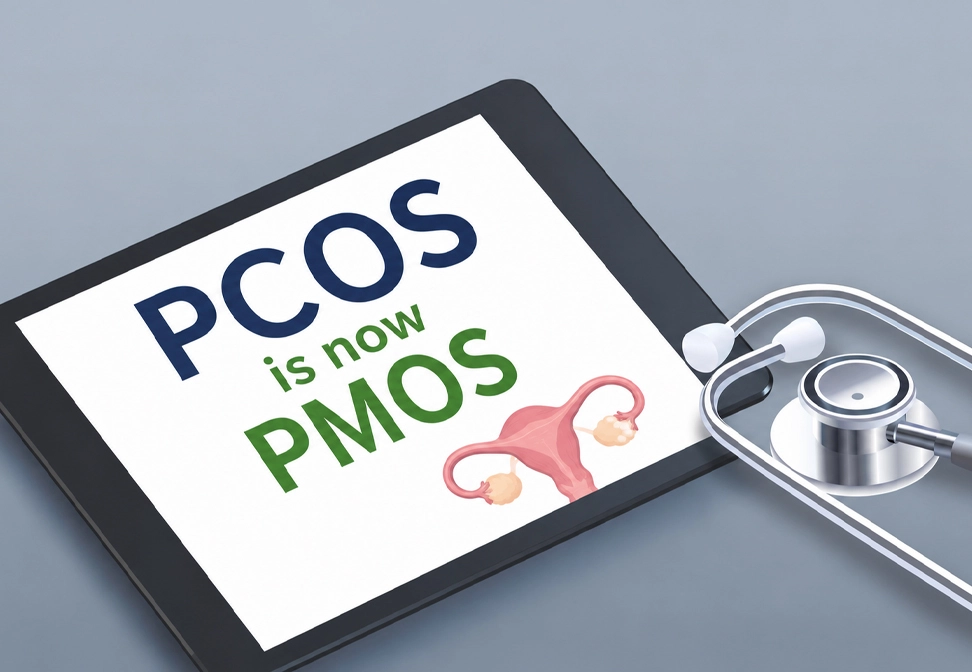
Women’s health is constantly evolving as medical research provides deeper insights into complex conditions. One of the most significant developments in 2026 is the renaming of Polycystic Ovary Syndrome (PCOS) to Polyendocrine Metabolic Ovarian Syndrome (PMOS). This change is not merely a rebranding exercise—it represents a more accurate understanding of a condition that affects millions of women worldwide.
For years, the term “PCOS” has been considered misleading because many women diagnosed with the condition do not actually have ovarian cysts. Experts now recognize that the disorder involves multiple hormonal and metabolic systems throughout the body, prompting the shift to the term PMOS.
As a leading gynecological expert in Bangalore, Dr. Aneeta Talwar believes that increased awareness and early diagnosis can significantly improve health outcomes for women living with PMOS.
What is PMOS?
PMOS stands for Polyendocrine Metabolic Ovarian Syndrome.
The new terminology highlights three critical aspects of the condition:
Polyendocrine
Multiple hormone-producing glands are involved, including the ovaries, pancreas, adrenal glands, and pituitary gland.
Metabolic
The condition affects how the body processes insulin, glucose, and energy.
Ovarian
The ovaries remain an important part of the condition because ovulation and reproductive health are often affected.
Unlike the older term PCOS, PMOS reflects the broader impact of the condition on overall health rather than focusing solely on ovarian changes.
Why Was PCOS Renamed to PMOS?
The decision followed years of international research and collaboration involving thousands of healthcare professionals and patients. Experts found that the term PCOS often led to misunderstanding and delayed diagnosis.
Common misconceptions included:
- Every woman with PCOS has ovarian cysts
- It only affects fertility
- It is purely a gynecological disorder
- Weight gain is the only major concern
In reality, PMOS can impact:
- Hormonal balance
- Blood sugar regulation
- Metabolism
- Cardiovascular health
- Mental health
- Fertility
- Skin and hair health
The new name better reflects these widespread effects.
How Common is PMOS?
PMOS affects approximately 1 in 8 women of reproductive age globally, making it one of the most common endocrine disorders in women. Despite its prevalence, many women remain undiagnosed for years because symptoms vary significantly from person to person.
In India, the growing prevalence of obesity, sedentary lifestyles, and insulin resistance has contributed to an increasing number of PMOS cases among adolescents and young adults.
Common Symptoms of PMOS
Symptoms may develop gradually and differ among women.
Menstrual Symptoms
- Irregular periods
- Missed periods
- Heavy menstrual bleeding
- Infrequent ovulation
Skin and Hair Symptoms
- Persistent acne
- Excess facial hair
- Excess body hair
- Hair thinning or hair loss
Metabolic Symptoms
- Weight gain
- Difficulty losing weight
- Insulin resistance
- Sugar cravings
- Fatigue
Reproductive Symptoms
- Difficulty conceiving
- Irregular ovulation
- Increased risk of infertility
Psychological Symptoms
- Anxiety
- Depression
- Mood swings
- Low self-esteem
These symptoms often occur in combinations, making diagnosis challenging.
What Causes PMOS?
The exact cause remains unknown, but several factors contribute to its development.
- Insulin Resistance
Insulin resistance is one of the most important drivers of PMOS.
When cells become resistant to insulin, the body produces more of it. High insulin levels stimulate the ovaries to produce excess male hormones (androgens), leading to many PMOS symptoms.
- Genetics
Women with a family history of PMOS are more likely to develop the condition.
- Hormonal Imbalances
Abnormal levels of reproductive hormones can disrupt ovulation and menstrual cycles.
- Chronic Inflammation
Low-grade inflammation may worsen insulin resistance and androgen production.
PMOS and Fertility
One of the most concerning aspects of PMOS for many women is its impact on fertility.
PMOS can interfere with regular ovulation, making conception more difficult. However, having PMOS does not mean pregnancy is impossible. Many women successfully conceive naturally or with fertility assistance.
Early intervention significantly improves reproductive outcomes.
Women planning pregnancy should consult a qualified gynecologist for personalized fertility guidance.
Long-Term Health Risks of PMOS
PMOS is much more than a reproductive condition.
Without proper management, women may face increased risks of:
- Type 2 diabetes
- High blood pressure
- Heart disease
- High cholesterol
- Sleep disorders
- Endometrial hyperplasia
- Endometrial cancer
- Anxiety and depression
These risks are one of the primary reasons healthcare professionals advocated for the name change to emphasize its metabolic nature.
How is PMOS Diagnosed?
There is no single test for PMOS.
Diagnosis typically includes:
Medical History
Your doctor will assess symptoms, menstrual patterns, and family history.
Physical Examination
Evaluation of weight, acne, hair growth, and other physical signs.
Blood Tests
Hormone levels
Insulin levels
Blood sugar levels
Thyroid function
Pelvic Ultrasound
To examine ovarian structure and follicle development.
Importantly, ovarian cysts are not required for diagnosis.
PMOS Treatment Options
Treatment is individualized based on symptoms, age, and fertility goals.
Lifestyle Modifications
The foundation of PMOS management includes:
Healthy Diet
Focus on:
- Lean proteins
- Whole grains
- Fiber-rich foods
- Fresh vegetables
- Healthy fats
Regular Exercise
At least 150 minutes of moderate activity per week.
Weight Management
Even a modest reduction in body weight can improve hormonal balance and menstrual regularity.
Stress Reduction
Yoga, meditation, and adequate sleep can positively influence hormone regulation.
Medications
Depending on symptoms, treatment may include:
- Hormonal contraceptives
- Metformin
- Ovulation-inducing medications
- Anti-androgen medications
Treatment should always be supervised by an experienced gynecologist.
PMOS in Adolescents
Many girls begin experiencing symptoms during their teenage years.
Warning signs include:
- Irregular periods beyond two years after menarche
- Severe acne
- Rapid weight gain
- Excess facial hair
Early diagnosis can help prevent long-term complications and improve quality of life.
The Importance of Early Diagnosis
Many women spend years seeking answers before receiving a diagnosis.
The new PMOS terminology encourages healthcare providers and patients to view the condition as a whole-body health issue rather than just an ovarian disorder. This broader perspective may lead to earlier diagnosis and more comprehensive care.
When Should You See a Gynecologist?
Consult a specialist if you experience:
- Irregular menstrual cycles
- Difficulty conceiving
- Excessive hair growth
- Persistent acne
- Unexplained weight gain
- Hair thinning
- Symptoms of insulin resistance
Early medical intervention can significantly reduce long-term health risks.
About Dr. Aneeta Talwar
Dr. Aneeta Talwar is a highly experienced gynecologist and women’s health specialist dedicated to providing comprehensive care for hormonal disorders, fertility concerns, pregnancy care, and preventive gynecology.
Women seeking expert evaluation and personalized treatment for PMOS in Bangalore can benefit from evidence-based care tailored to their individual health goals.
Conclusion
The transition from PCOS to PMOS marks a major advancement in women’s healthcare. While the condition itself remains the same, the new name better reflects its hormonal, metabolic, and reproductive impact. Understanding PMOS empowers women to seek early diagnosis, adopt healthier lifestyle habits, and access appropriate treatment before complications arise.
With expert guidance from experienced gynecological professionals such as Dr. Aneeta Talwar in Bangalore, women with PMOS can effectively manage symptoms, improve fertility outcomes, and protect their long-term health.
Frequently Asked Questions (FAQs)
- Is PMOS different from PCOS?
No. PMOS is the new name for the condition previously known as PCOS. The change reflects a better understanding of its hormonal and metabolic nature.
- Why was PCOS renamed PMOS?
The old name focused on ovarian cysts, which are not present in all patients. PMOS better describes the condition’s endocrine and metabolic effects.
- Can PMOS be cured?
There is currently no cure, but symptoms can be effectively managed through lifestyle modifications and medical treatment.
- Does PMOS always cause infertility?
No. Many women with PMOS conceive naturally or with fertility assistance.
- Can weight loss improve PMOS symptoms?
Yes. Even modest weight reduction can improve insulin sensitivity, hormone balance, and ovulation.
- Is PMOS hereditary?
Genetics play a role, and women with a family history have a higher risk.
- Can teenagers develop PMOS?
Yes. Symptoms often begin during adolescence and should be evaluated early.
- Which doctor should I consult for PMOS treatment in Bangalore?
A qualified gynecologist and women’s health specialist such as Dr. Aneeta Talwar can provide comprehensive diagnosis and treatment for PMOS.