Heavy menstrual bleeding, also known as menorrhagia, is one of the most common gynecological concerns women face. For some, it may mean soaking through pads or tampons in just a couple of hours, while for others, it may cause prolonged cycles that affect everyday life.
Although many women think heavy bleeding is something they just have to “live with,” it’s important to understand that it may indicate an underlying health issue—and effective treatments are available.
At Dr. Aneeta OBGYN, we aim to help women take charge of their menstrual health by providing clear information and personalized care.
What is Heavy Menstrual Bleeding?
Periods vary from woman to woman, but menstrual bleeding is considered heavy if:
- You need to change pads or tampons every 1–2 hours.
- You pass large blood clots during your period.
- Your period lasts longer than 7 days.
- You feel fatigued, dizzy, or develop anemia due to blood loss.
Causes of Heavy Menstrual Bleeding
Heavy periods may have several causes, including:
- Hormonal Imbalances – Estrogen and progesterone regulate the menstrual cycle. Imbalances can cause excessive growth of the uterine lining, leading to heavy bleeding.
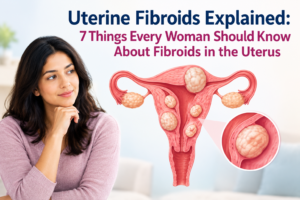
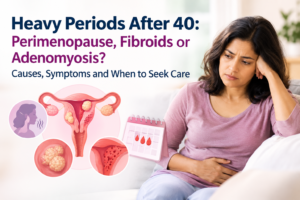
- Fibroids and Polyps – Non-cancerous growths in the uterus can make periods heavier and more painful.
- Adenomyosis – A condition where the uterine lining grows into the muscle of the uterus, often resulting in heavy, painful periods.
- Bleeding Disorders – Conditions like von Willebrand disease or platelet dysfunction can cause excessive menstrual bleeding.
- Thyroid Problems – Both hyperthyroidism and hypothyroidism can affect menstrual flow.
- Cancerous Changes – Though rare, endometrial or cervical cancer may present as abnormal or heavy bleeding.
When to See a Doctor
You should consult a gynecologist if:
- Your periods interfere with daily activities.
- You develop symptoms of anemia (tiredness, dizziness, pale skin).
- You experience sudden changes in your menstrual pattern.
Early evaluation can help identify the cause and guide appropriate treatment.
Diagnosis
At Dr. Aneeta OBGYN, diagnosis may involve:
- Medical History & Examination: Understanding your cycle pattern and symptoms.
- Ultrasound Scan: To detect fibroids, polyps, or structural abnormalities.
- Blood Tests: To check for anemia, thyroid issues, or clotting disorders.
- Endometrial Biopsy: In some cases, to rule out cancer or precancerous changes.
Treatment Options
Treatment is tailored to each woman’s cause, age, and reproductive goals. Options include:
- Medications
- Hormonal birth control (pills, IUD, injections) to regulate periods.
- Non-hormonal options like tranexamic acid or NSAIDs to reduce bleeding.
- Minimally Invasive Procedures
- Hysteroscopy to remove polyps or fibroids inside the uterus.
- Endometrial ablation to thin or destroy the uterine lining (for women not planning future pregnancies).
- Surgical Options
- Myomectomy: Removal of fibroids while preserving fertility.
- Hysterectomy: Complete removal of the uterus, recommended for severe cases not responding to other treatments.
Managing Daily Life with Heavy Periods
While undergoing treatment, some simple measures may help:
- Keep extra sanitary products handy during periods.
- Track your cycles with a calendar or app.
- Eat iron-rich foods like spinach, lentils, and lean meat to combat anemia.
- Stay hydrated and rest adequately.
Our Commitment at Dr. Aneeta OBGYN
We understand how heavy menstrual bleeding can disrupt not just physical health, but also emotional well-being and quality of life. Our goal is to provide:
- Accurate Diagnosis to identify the exact cause.
- Individualized Care that considers your age, fertility goals, and overall health.
- Compassionate Support to help you navigate both medical treatment and lifestyle adjustments.
Frequently Asked Questions (FAQs)
- Is heavy menstrual bleeding normal after 40?
Not always. While hormonal changes during perimenopause may cause heavier periods, persistent or very heavy bleeding should be evaluated by a gynecologist. - Can heavy periods cause infertility?
Yes, conditions like fibroids, polyps, or hormonal imbalances that cause heavy bleeding may also affect fertility. Early treatment can help. - How do I know if I’m anemic from heavy bleeding?
Common signs include fatigue, dizziness, pale skin, and shortness of breath. A blood test confirms anemia. - Can lifestyle changes help with heavy periods?
Yes. A healthy diet, exercise, and stress management can support overall reproductive health, but medical evaluation is essential to treat the underlying cause. - Is surgery the only option for heavy bleeding?
No. Many women benefit from medications or minimally invasive procedures before surgery is considered.
Final Thoughts
Heavy menstrual bleeding is common—but it is not something you should ignore or accept as “normal.” Effective treatments exist, and with the right guidance, you can regain control of your health and live without the burden of excessive bleeding.
If you are struggling with heavy periods, don’t wait—schedule a consultation with Dr. Aneeta OBGYN and take the first step toward relief and better health.