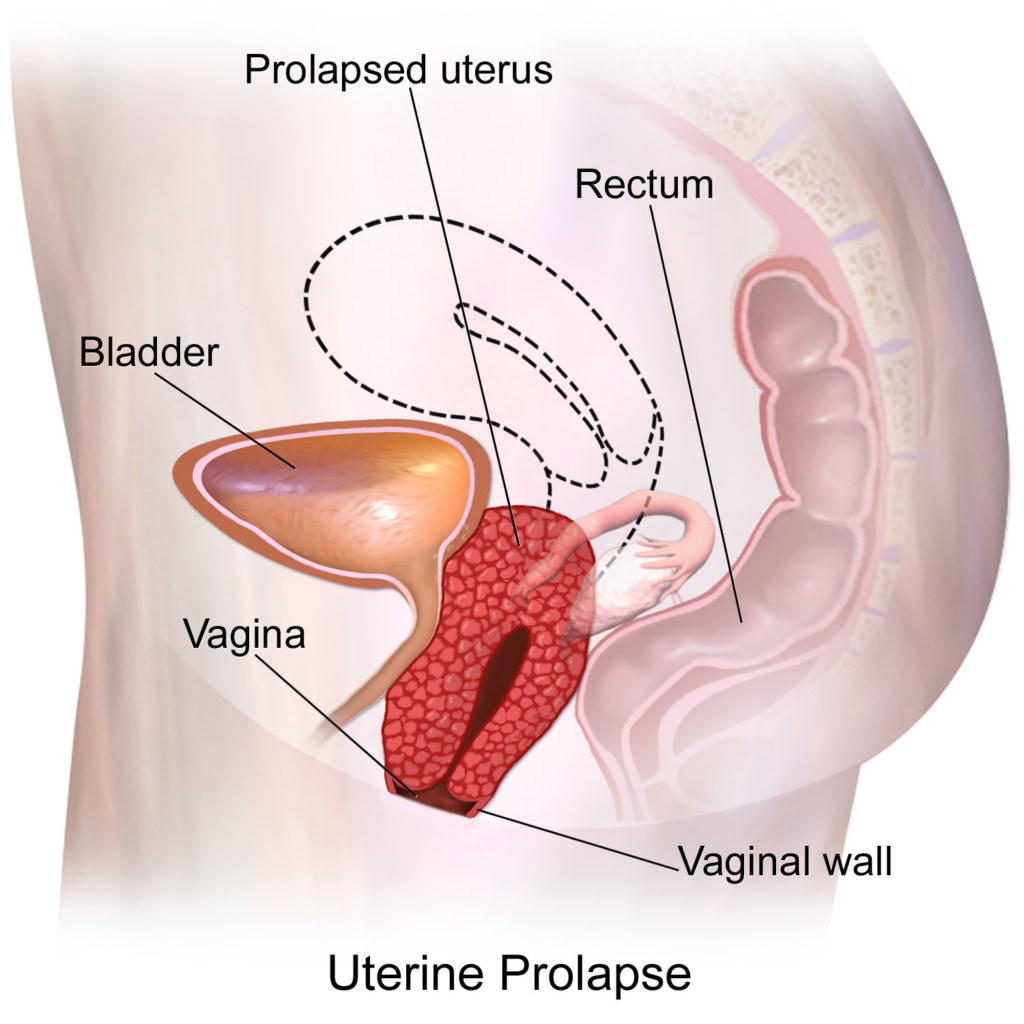
Uterine prolapse, a condition where the uterus descends into or outside the vaginal canal due to weakened pelvic floor muscles, is a common concern for many women. It can cause discomfort, urinary or bowel issues, and significantly impact the quality of life. Thankfully, advancements in laparoscopic surgery now provide a minimally invasive and effective solution for managing uterine prolapse.
If you’re struggling with uterine prolapse and searching for the best care, Dr. Aneeta Talwar, the leading obstetrician and gynecologist in Bangalore, offers expert guidance and treatment options tailored to your needs.
What Is Uterine Prolapse?
Uterine prolapse occurs when the muscles and ligaments that support the uterus weaken, allowing the uterus to slip out of its normal position. This condition can range from mild (where symptoms may not be noticeable) to severe (where the uterus protrudes outside the vagina).
Common Causes:
- Pregnancy and childbirth, particularly multiple deliveries or vaginal births.
- Aging and menopause, due to decreased estrogen levels.
- Chronic coughing, obesity, or heavy lifting, which can strain the pelvic floor.
- Genetic predisposition to weak connective tissue.
Symptoms:
- A sensation of heaviness or pulling in the pelvis.
- Tissue protruding from the vaginal opening.
- Urinary incontinence or difficulty emptying the bladder.
- Discomfort during sexual activity.
- Lower back pain.
Laparoscopic Surgery: A Modern Solution
Laparoscopic surgery, also known as minimally invasive surgery, is a revolutionary approach to treating uterine prolapse. It involves using a small camera (laparoscope) and specialized surgical tools inserted through tiny incisions in the abdomen.
This advanced procedure allows surgeons to repair or support the pelvic organs with precision, offering a safer, quicker, and less painful alternative to traditional open surgery.
Key Benefits of Laparoscopic Surgery for Uterine Prolapse
- Minimally Invasive:
Tiny incisions result in minimal scarring, less pain, and faster recovery. - High Success Rates:
Laparoscopic techniques are highly effective in restoring pelvic support and resolving symptoms. - Reduced Recovery Time:
Most patients can return to normal activities within 2-3 weeks. - Preserves Uterine Function (if desired):
For women who wish to retain their uterus, laparoscopic techniques can provide support without necessitating removal. - Improved Quality of Life:
Relief from discomfort, urinary issues, and other symptoms allows women to regain confidence and comfort.
Types of Laparoscopic Procedures for Uterine Prolapse
- Laparoscopic Sacrocolpopexy:
- Involves attaching the uterus or vaginal vault to the sacrum using a surgical mesh for support.
- Provides long-term durability and is ideal for severe cases.
- Laparoscopic Uterine Suspension:
- A procedure to reposition and secure the uterus without removing it.
- Ideal for women who want to preserve fertility or avoid a hysterectomy.
- Laparoscopic Hysterectomy:
- In cases where uterine removal is necessary, the laparoscopic approach ensures minimal invasiveness and quicker recovery.
Preparing for Laparoscopic Surgery
Before undergoing surgery, a comprehensive evaluation will be conducted, including:
- Medical history and physical examination.
- Pelvic ultrasound or MRI to assess the severity of prolapse.
- Discussion of goals, such as preserving fertility or preventing recurrence.
Patients are advised to:
- Follow a clear diet and bowel preparation (if required).
- Stop certain medications as instructed by the doctor.
- Arrange for support during recovery at home.
Post-Surgery Recovery and Care
- Hospital Stay:
Most patients are discharged within 24-48 hours. - Activity Restrictions:
Avoid heavy lifting, intense exercise, and sexual activity for 4-6 weeks. - Follow-Up Appointments:
Regular check-ups ensure proper healing and monitor for any complications. - Pelvic Floor Exercises:
Strengthening the pelvic floor with exercises like Kegels helps prevent future prolapse.
Why Choose Dr. Aneeta Talwar?
Dr. Aneeta Talwar is a highly skilled and experienced obstetrician and gynecologist specializing in advanced laparoscopic surgeries for gynecological conditions. Her patient-centric approach ensures personalized care, addressing individual needs with precision and compassion. With a proven track record of successful outcomes, Dr. Talwar is a trusted name for women’s health in Bangalore.
Take the First Step Toward Comfort and Confidence
Uterine prolapse doesn’t have to limit your life. With laparoscopic surgery, you can regain control, comfort, and confidence. Contact Dr. Aneeta Talwar, the best obstetrician and gynecologist in Bangalore, to schedule your consultation today.
Empower yourself with the right treatment and embrace a healthier, more active lifestyle.