A hysterectomy, the surgical removal of the uterus, is one of the most common procedures in gynecology. While traditional open surgery was once the standard, advancements in medical technology have introduced minimally invasive approaches like laparoscopic hysterectomy, offering women a safer and more effective treatment option.
Dr. Aneeta Talwar, a renowned consultant in Obstetrics and Gynecology and an expert in laparoscopic and endoscopic gynecological surgeries, specializes in laparoscopic hysterectomy, ensuring her patients experience faster recovery and better outcomes.
What is a Laparoscopic Hysterectomy?
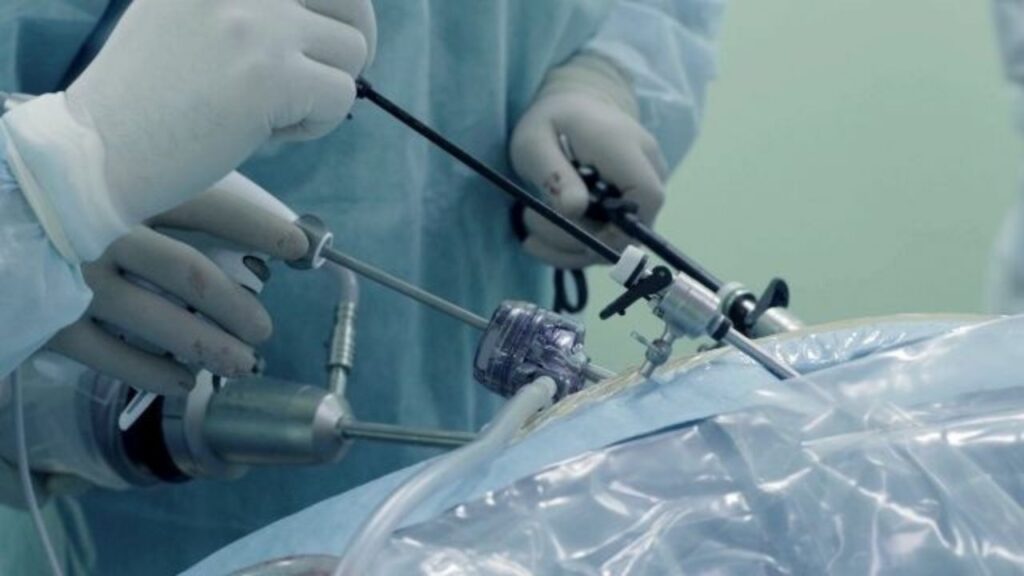
A laparoscopic hysterectomy is a minimally invasive procedure in which the uterus is removed using small incisions and a laparoscope (a thin tube with a camera). This technique allows surgeons to perform the surgery with greater precision, minimal disruption to surrounding tissues, and significantly reduced recovery time.
When is a Hysterectomy Necessary?
Dr. Talwar often recommends a hysterectomy when other treatments fail to address conditions affecting the uterus, such as:
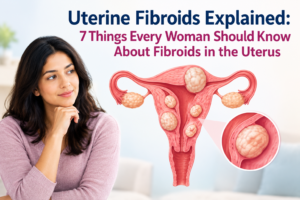
- Uterine Fibroids: Noncancerous growths that cause pain, heavy bleeding, or infertility.
- Endometriosis: Overgrowth of uterine tissue outside the uterus, leading to severe pain and organ damage.
- Adenomyosis: Thickening of the uterine walls causing heavy menstrual bleeding and pain.
- Uterine Prolapse: Weakening of pelvic muscles causing the uterus to descend into the vaginal canal.
- Chronic Pelvic Pain: Unmanageable pain caused by uterine conditions.
- Cancer: When diagnosed with uterine, ovarian, or cervical cancer.
Types of Laparoscopic Hysterectomy
The procedure varies based on the extent of uterine removal:
- Total Laparoscopic Hysterectomy (TLH):
- Removal of the entire uterus and cervix.
- Commonly performed for conditions like endometriosis and fibroids.
- Laparoscopic Supracervical Hysterectomy (LSH):
- Only the uterus is removed, leaving the cervix intact.
- Recommended for benign conditions with no cervical involvement.
- Laparoscopic-Assisted Vaginal Hysterectomy (LAVH):
- Combines laparoscopy with vaginal surgery for specific conditions.
- Radical Laparoscopic Hysterectomy:
- Performed for gynecological cancers, involving removal of the uterus, cervix, and surrounding tissues.
The Procedure: What to Expect
- Pre-Surgery Preparation:
- Comprehensive health evaluations, including imaging and lab tests.
- Discussion about risks, benefits, and post-operative care.
- Surgery Day:
- Performed under general anesthesia.
- Small incisions are made in the abdomen to insert the laparoscope and surgical instruments.
- The uterus is carefully detached and removed through the vagina or small abdominal incisions.
- Duration:
- The procedure typically lasts 2–3 hours, depending on the complexity.
- Post-Surgery Care:
- Patients usually stay in the hospital for a day or two and can return to normal activities within 2–3 weeks.
Benefits of Laparoscopic Hysterectomy
- Minimally Invasive:
- Smaller incisions result in minimal scarring.
- Faster Recovery:
- Most patients resume daily activities within weeks.
- Reduced Pain:
- Less post-operative discomfort compared to open surgery.
- Lower Risk of Infection:
- Smaller incisions reduce exposure to external contaminants.
- Preservation of Nearby Organs:
- Precision surgery ensures minimal damage to surrounding tissues.
- Enhanced Outcomes:
- High success rates with fewer complications
Who is a Candidate for Laparoscopic Hysterectomy?
While this procedure is suitable for most women requiring a hysterectomy, Dr. Talwar evaluates each patient individually. Ideal candidates include:
- Women with benign or early-stage gynecological conditions.
- Those with no extensive abdominal scarring from previous surgeries.
- Patients seeking faster recovery with minimal downtime
Potential Risks and Complications
Though rare, complications may include:
- Bleeding.
- Infection at incision sites.
- Damage to surrounding organs like the bladder or bowel.
- Blood clots.
Dr. Talwar’s expertise ensures that risks are minimized, and any concerns are addressed promptly
Recovery and Follow-Up
- Immediate Post-Operative Care:
- Pain management with prescribed medications.
- Avoid lifting heavy objects or strenuous activities.
- Long-Term Recovery:
- Resume light activities within 1–2 weeks.
- Full recovery typically occurs within 4–6 weeks.
- Follow-Up Appointments:
Regular check-ups with Dr. Talwar help monitor recovery and ensure long-term health
Why Choose Dr. Aneeta Talwar for Laparoscopic Hysterectomy?
Dr. Aneeta Talwar combines years of experience with advanced surgical techniques to provide personalized care. Her patient-first approach ensures:
- Comprehensive pre- and post-operative support.
- Expertise in managing complex gynecological conditions.
- Use of state-of-the-art technology for precise and safe surgeries.
Her compassionate care and proven track record make her one of the most trusted gynecologists in Bangalore
Conclusion
Laparoscopic hysterectomy is a life-changing procedure that offers women relief from debilitating gynecological conditions with minimal disruption to their lives. With Dr. Aneeta Talwar’s expertise, patients can expect world-class care, faster recovery, and better outcomes.
If you’re facing a gynecological condition requiring surgery, schedule a consultation with Dr. Aneeta Talwar to explore the benefits of laparoscopic hysterectomy. Let her guide you on the path to improved health and well-being.
For more information or to book an appointment, contact Dr. Aneeta Talwar’s clinic today.