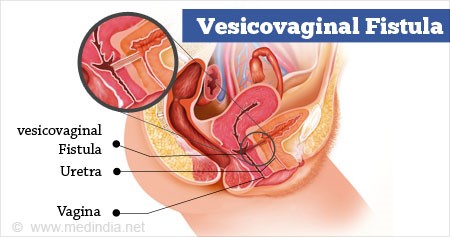
A fistula is an unwanted opening that develops between two parts of the body. Causes of fistulas can include infections, injuries, and inflammation. They can occur in many parts of the body.
A vesicovaginal fistula is an opening that develops between the bladder and the wall of the vagina. The problem is that urine leaks out of the vagina, sometimes lightly, but it can be steady if the fistula is large in size. The leakage is embarrassing and can smell bad.
Causes of Vesico-vaginal Fistula
Vesicovaginal fistulas are often a complication after surgery to treat problems in the bladder, uterus or vagina.
They also can be caused by gynaecological cancer, either from the disease or by side effects of radiation therapy or surgery to treat the cancer. It can also happen after difficult vaginal delivery.
Diagnosis
Most vesicovaginal fistulas develop soon after surgery, and patients will complain of a lot of new urinary leakage.
We may typically do a close physical exam of the area to learn more.
Imaging tests computed tomography (CT scan).
The dye is injected through your vein or through a catheter inserted into the bladder.
We may also examine the bladder with a scope.
Treatment
The only way to fix vesicovaginal fistulas is to close off the opening by surgery. Sometimes additional procedures are needed to correct the original cause of the problem, such as damage to the bladder.
Contact Dr. Aneeta Talwar, Best Gynaecologist in Bangalore, for the safest treatment for Vesicovaginal fistula in Bangalore.
Frequently Asked Questions
1. Why does urine leak continuously through the vagina after surgery?
Continuous urine leakage despite normal urination may indicate a connection between the bladder and vagina. A vesicovaginal fistula should be assessed by a specialist.
2. Can a vesicovaginal fistula develop after childbirth?
Yes. Difficult or prolonged labour can damage tissues and sometimes lead to a fistula. Early assessment for obstetric fistula treatment helps determine the appropriate care.
3. How do doctors confirm a vesicovaginal fistula?
The doctor may perform a dye test, a pelvic examination, or cystoscopy to identify the opening. These investigations help confirm the need for vesicovaginal fistula diagnosis and treatment.
4. Can a small bladder fistula heal without surgery?
Some small fistulas may close with continuous bladder drainage, depending on their cause and characteristics. Your doctor can assess whether non-surgical fistula treatment is appropriate.
5. Why might fistula repair be delayed after an injury?
If tissues are inflamed or infected, the surgeon may recommend waiting until they have healed sufficiently. The timing of fistula repair surgery depends on tissue health and the individual case.
6. Is vesicovaginal fistula repair performed through the vagina or abdomen?
Either approach may be suitable. The choice of VVF repair surgery depends on the fistula’s location, size, surrounding tissue, and previous treatments.
7. Can the surgeon use healthy tissue to strengthen a fistula repair?
In selected cases, a tissue graft or flap may be used to support healing and separate the repaired areas. This may form part of complex fistula repair.
8. How long will I need a urinary catheter after fistula surgery?
A catheter is usually kept in place to allow the bladder to drain while the repair heals. The duration of vesicovaginal fistula surgery recovery varies by case.
9. What activities should I avoid while the fistula repair heals?
Your surgeon may advise avoiding heavy lifting, strenuous exercise, and vaginal intercourse for a specified period. Follow the individual recovery plan after VVF surgery.
10. What if urine leakage continues after fistula repair?
Persistent or returning leakage needs prompt review by your surgeon. Further examination can help assess healing and whether additional vesicovaginal fistula treatment in Whitefield is needed.