Non-Descent Vaginal Hysterectomy (NDVH)
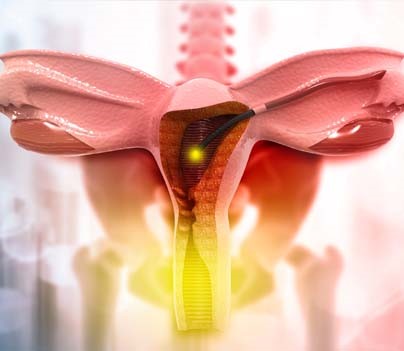
NDVH, or non-descent vaginal hysterectomy, means the removal of the uterus from the woman’s body through the vagina instead of the abdomen.
In which conditions can a non-descent vaginal hysterectomy be performed?
Your gynecologist may suggest this procedure in case of
-
Heavy bleeding
-
Endometriosis
-
Fibroids
-
Dysfunctional uterine bleeding
Advantages of NDVH surgery
NDVH in gynecology is a common procedure that is nearly painless and smoother than a laparoscopic or abdominal hysteroscopic.
The benefits of NDVH are:
-
No stitches/scars
-
Few complications
-
Short hospital stay and fast recovery
-
Less pain after surgery
-
Less expensive.
For more information related to NDVH Surgery, get an expert opinion on your problem. Schedule a consultation with Dr. Aneeta Talwar, Best Gynaecologist in Bangalore.
Frequently Asked Questions
1. Can non-descent vaginal hysterectomy be done if my uterus has not prolapsed?
Yes. Non-descent vaginal hysterectomy is designed to remove the uterus through the vagina even when it has not descended. Suitability depends on your individual anatomy and condition.
2. Can NDVH be used to treat adenomyosis?
It may be an option when adenomyosis causes significant symptoms and hysterectomy is appropriate. Your doctor will assess whether NDVH for adenomyosis suits your situation.
3. Is non-descent vaginal hysterectomy suitable for a bulky uterus?
Sometimes. Uterine size and shape affect whether the uterus can be removed safely through the vagina. Your surgeon will assess suitability for vaginal hysterectomy surgery.
4. Will I need a Pap test before non-descent vaginal hysterectomy?
Your doctor may recommend cervical screening if it is due or clinically indicated. The preoperative assessment for NDVH depends on your medical history and reason for surgery.
5. Can NDVH be performed if I have had a previous Caesarean section?
It may be possible, but previous surgery can affect internal anatomy and surgical planning. Your doctor will assess whether NDVH after a Caesarean section is appropriate.
6. Will removing the uterus stop my periods permanently?
Yes. Once the uterus is removed, menstrual periods stop permanently. Discuss the implications of non-descent vaginal hysterectomy and whether your ovaries will remain in place.
7. Can I undergo NDVH if I am approaching menopause?
Yes, menopause status alone does not determine suitability. Your symptoms, diagnosis, overall health, and treatment options guide the decision about NDVH surgery.
8. Will I need hormone replacement therapy after NDVH?
Not necessarily. If your ovaries remain, they may continue producing hormones. The need for hormone therapy after hysterectomy depends on whether the ovaries are removed and your individual circumstances.
9. When can I climb stairs after non-descent vaginal hysterectomy?
Gentle stair climbing may be possible when you feel steady, but follow your surgeon’s advice and increase activity gradually during NDVH recovery.
10. What should I ask my surgeon before choosing NDVH?
Ask why this route is recommended, what alternatives are available, whether the ovaries will remain, and what recovery involves. A consultation for non-descent vaginal hysterectomy in Whitefield can help you make an informed decision.