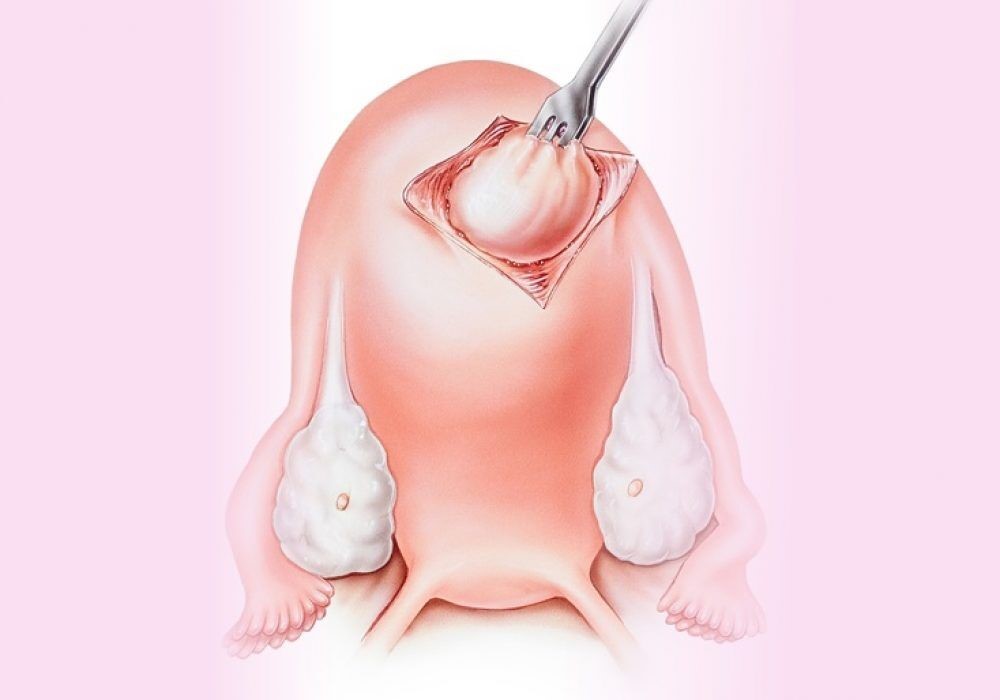
Myomectomy is a surgical procedure used to remove fibroids from the uterine muscle without removing the uterus. Women who have a myomectomy are able to continue to have menstrual periods and become pregnant after the procedure. The procedure is reserved for women with severe pain, discomfort, heavy bleeding, and/or pregnancy related complications caused by their fibroids.
Why is myomectomy done?
Myomectomy is a treatment for fibroids, which are non-cancerous tumors that develop in the muscle walls of the uterus.
Some fibroids are tiny, and they may not cause symptoms. Symptomatic fibroids may cause discomfort because they put pressure on the intestines and bladder, or they may cause painful periods and/or heavy bleeding.
Removing fibroids should help to alleviate the symptoms of pain, pressure, and heavy blood flow. Myomectomy allows doctors to remove symptomatic fibroids while sparing the uterus so that a woman may continue to have menstrual periods and helps in becoming pregnant.
Different Types of Myomectomy
The doctor will recommend the appropriate procedure depending on the size and location of the fibroids. The most common methods used for myomectomy are:
-
Abdominal myomectomy — This procedure allows the doctor to remove the fibroids through an open surgical incision in the lower abdomen. This type of procedure is best for women who have very large fibroids.
-
Laparoscopic myomectomy — This procedure allows the doctor to remove the fibroids through several small incisions. This method is less invasive, and recovery is faster.
-
Hysteroscopic myomectomy — This procedure requires the doctor to use a special scope to remove the fibroids through the vagina and cervix. This procedure may be best for women who have smaller fibroids inside the uterus.
-
Robotic myomectomy — In this procedure a Robot is used to perform the procedure with more precision and accuracy with less blood loss.
When You Should Have a Myomectomy
If the healthcare provider has discovered that uterine fibroids are present, then they may recommend a myomectomy. Symptoms associated with uterine fibroids are:
-
Pelvic pain
-
Heavy periods
-
Irregular bleeding
-
Frequent urination
For more information, schedule an appointment today. Contact Dr. Aneeta Talwar, Best Gynaecologist in Bangalore.
Frequently Asked Questions
1. Can fibroids be mapped before myomectomy surgery?
Yes. Ultrasound and sometimes MRI help show the fibroids’ size, number, and location. This fibroid mapping helps the surgeon plan the procedure.
2. Can I have myomectomy if I am not planning a pregnancy?
Yes. Myomectomy may be considered when fibroids cause troublesome symptoms, even if pregnancy is not a future goal. Fibroid removal surgery should be based on your symptoms and treatment preferences.
3. Will the removed fibroids be tested in a laboratory?
Usually, removed tissue is sent for pathological examination when appropriate. This myomectomy tissue analysis helps confirm the nature of the tissue.
4. Can myomectomy help if fibroids are found during a routine scan?
Not always. Fibroids without symptoms may only need monitoring, depending on their features. Your doctor can explain whether fibroid treatment is necessary.
5. Will I need a blood transfusion during myomectomy?
Not everyone needs one. The possibility depends on factors such as fibroid size, number, and expected blood loss during myomectomy surgery.
6. How should I prepare my home before fibroid surgery?
Arrange help with household tasks, childcare, transport, and meals while you recover. Planning ahead can make myomectomy recovery more manageable.
7. Will I need a urinary catheter during myomectomy?
A catheter may be used during or after surgery to monitor urine output and keep the bladder empty. Its use during fibroid surgery depends on the procedure and your clinical needs.
8. Can myomectomy affect my hormone levels?
Myomectomy removes fibroids rather than the ovaries, so it does not usually directly change hormone production. Your myomectomy treatment plan depends on your individual reproductive health.
9. How do doctors decide whether I need an MRI before myomectomy?
An MRI may be useful when ultrasound does not provide enough detail or when complex fibroids need careful mapping. Your doctor will decide whether MRI for fibroids would improve surgical planning.
10. How can I compare myomectomy treatment options in Whitefield?
Ask about the proposed surgical approach, expected recovery, hospital stay, costs, and follow-up care. A consultation for myomectomy in Whitefield can help you understand which option suits your condition.