Endometriosis surgery
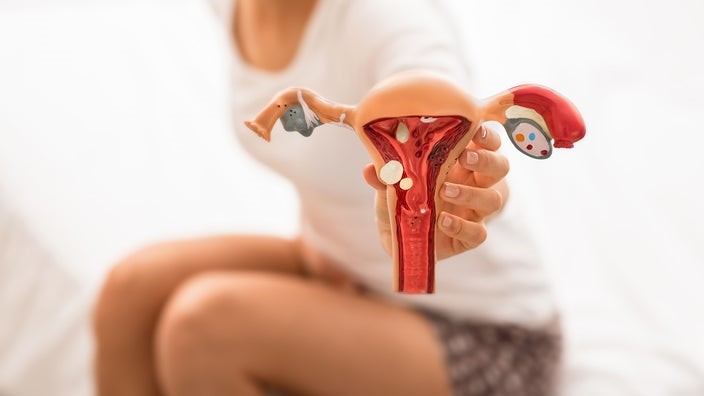
Endometriosis surgery can diagnose and treat endometriosis — a condition in which tissue that typically grows inside your uterus grows outside of it instead.
What are the different types of endometriosis surgery?
Endometriosis surgery involves the removal of endometriosis. There are two different approaches:
- Laparoscopy. This minimally invasive procedure is the most common approach to endometriosis surgery. During the procedure, we will make a small incision in your abdomen to insert a tiny tube with a camera (laparoscope) through it. Sometimes, we have to make more than one small incision.
- Laparotomy. Healthcare providers don’t use this open surgery approach as often as they used to. Laparotomy is more invasive than laparoscopy. It involves making one large incision across the abdomen rather than a few small incisions. A surgeon might perform a laparotomy when the condition is severe or when you don’t qualify for laparoscopy.
- Robotic. In this technique a robot we used to assist in the minimally invasive surgery for endometriosis.
Who needs endometriosis surgery?
A healthcare provider can help determine whether or not you need endometriosis surgery. Surgery may be beneficial if:
-
You have chronic (long-standing) or severe pelvic pain.
-
You need to remove areas of endometriosis in your pelvic area.
-
Medication no longer relieves your endometriosis symptoms.
-
You have difficulty getting pregnant.
What factors determine whether endometriosis comes back after surgery?
Whether endometriosis comes back (recurs) after surgery depends upon three factors:
-
The severity of the disease at the time of surgery.
-
How completely the surgery removed the lesions?
-
Whether you had medical suppressive therapy after your surgery.
What are the risks or complications of endometriosis surgery?
Endometriosis surgery is relatively safe. However, as with any procedure, there are possible complications, including:
-
Infection.
-
Bleeding
-
Injury to Uterus
-
Fistula (an abnormal connection between two organs).
-
Blood vessel damage.
Endometriosis can be a painful and frustrating condition. If you may have endometriosis, schedule a consultation with Dr. Aneeta Talwar, Best Gynaecologist in Bangalore, she can design an individualized treatment plan to ease your symptoms and improve your quality of life.
Frequently Asked Questions
Can endometriosis affect the bowel or bladder?
Yes. Endometriosis can affect nearby organs and cause bowel discomfort, painful urination or other symptoms. Endometriosis treatment depends on the areas involved and symptom severity.
What is the difference between endometriosis and adenomyosis?
Endometriosis involves tissue similar to the uterine lining growing outside the uterus, while adenomyosis involves similar tissue within the uterine muscle. Endometriosis diagnosis helps distinguish these conditions.
Can endometriosis be present even if my ultrasound is normal?
Yes. Some cases may not be visible on routine ultrasound. If symptoms persist, your doctor may recommend further assessment for endometriosis in Whitefield.
Does endometriosis surgery always involve removing the uterus?
No. Many procedures aim to remove or destroy endometriosis while preserving the uterus. Endometriosis surgery is planned according to disease severity, symptoms and pregnancy goals.
What is deep infiltrating endometriosis?
It is a form in which endometriosis grows deeply into tissues or organs around the pelvis. Deep endometriosis surgery may require careful planning when the bowel, bladder or other structures are involved.
Can endometriosis cause pain during bowel movements?
Yes. Some women experience painful bowel movements, particularly during menstruation. Endometriosis treatment options depend on the cause of pain and whether nearby organs are affected.
Will I need hormone treatment after endometriosis surgery?
Some patients may be offered hormonal medication to help control symptoms or reduce recurrence risk. Endometriosis surgery recovery and further treatment depend on individual needs and pregnancy plans.
Can endometriosis affect the nerves in the pelvis?
In some cases, deep endometriosis may involve or lie close to pelvic nerves. Advanced endometriosis surgery requires careful assessment to protect nearby structures and preserve function where possible.
Can endometriosis return after surgical treatment?
Yes. Symptoms or lesions may return after treatment. Endometriosis surgery may relieve symptoms, but ongoing follow-up can help manage recurrence if it occurs.
How is the right endometriosis surgery plan decided?
Your doctor considers symptoms, scan findings, disease location, previous treatment and fertility goals before recommending endometriosis surgery in Bangalore.